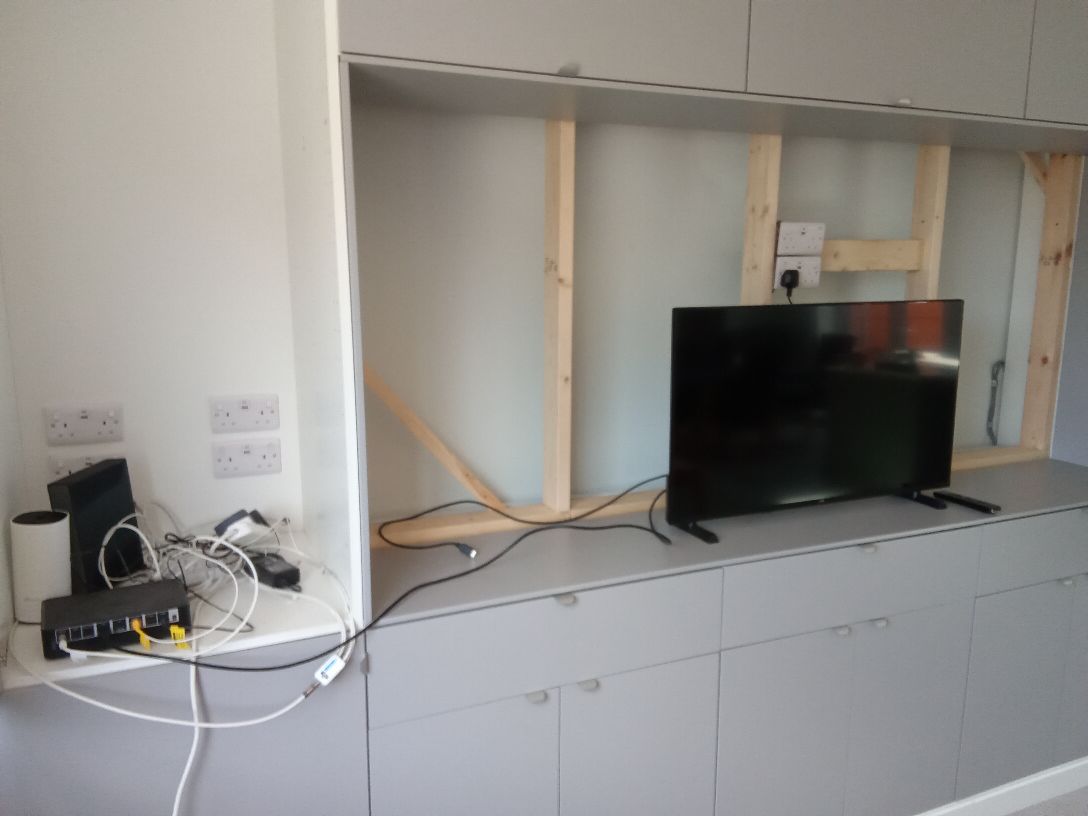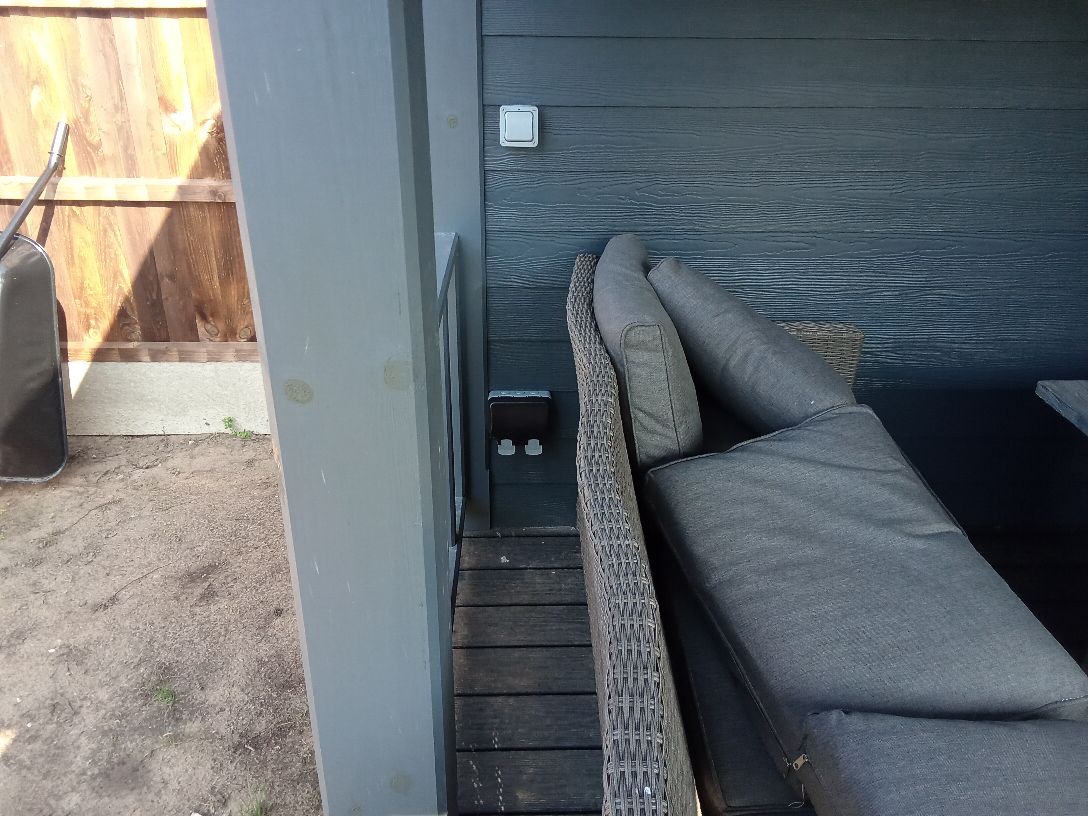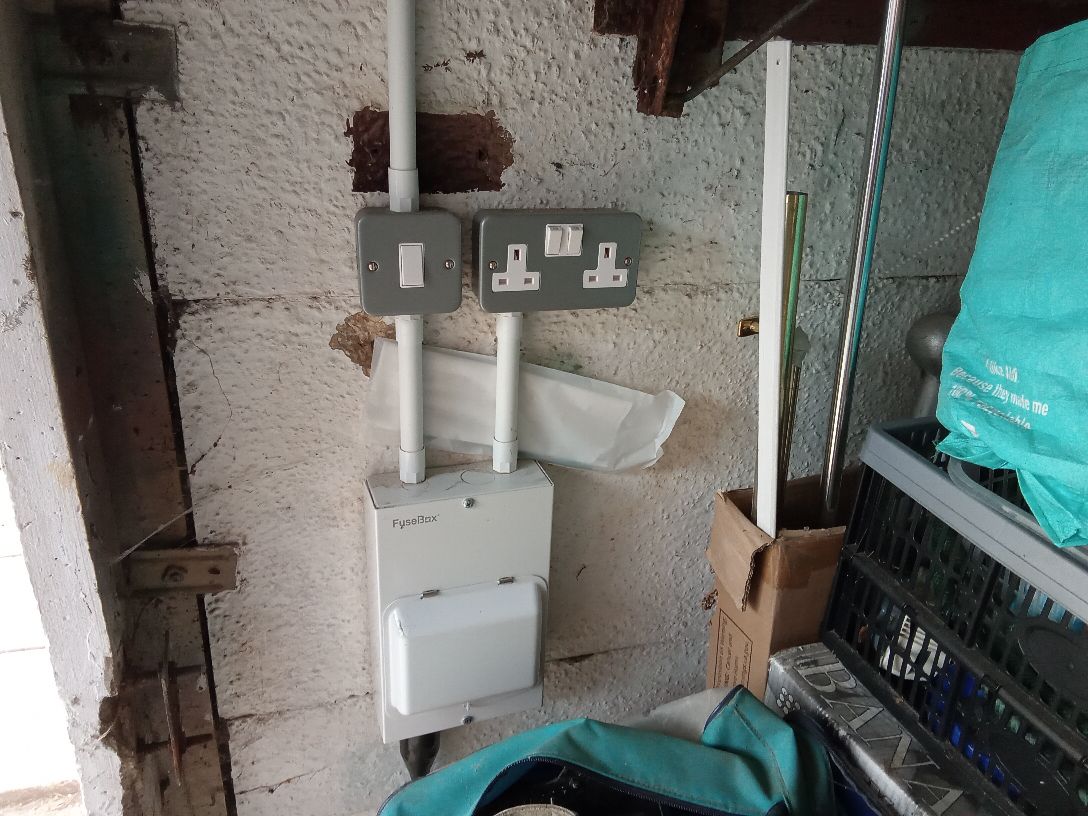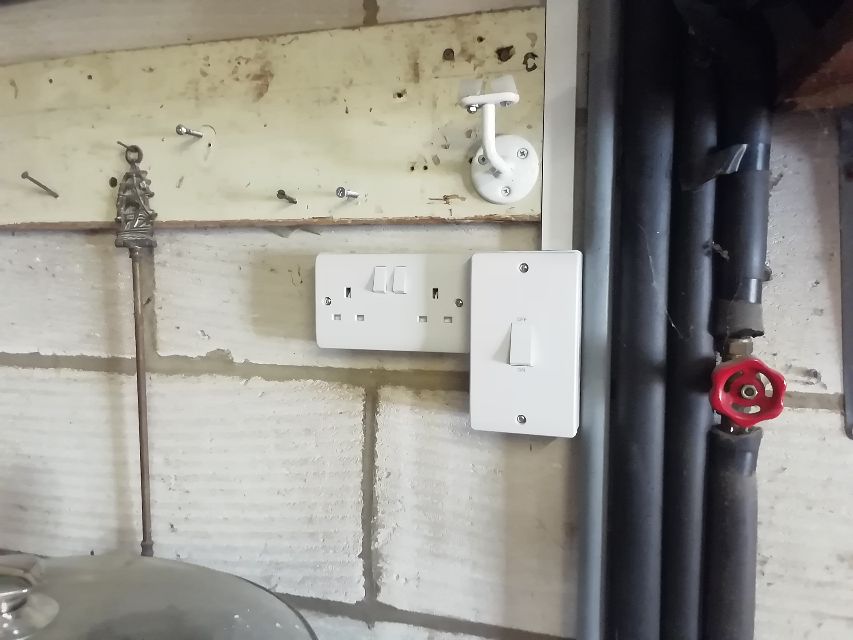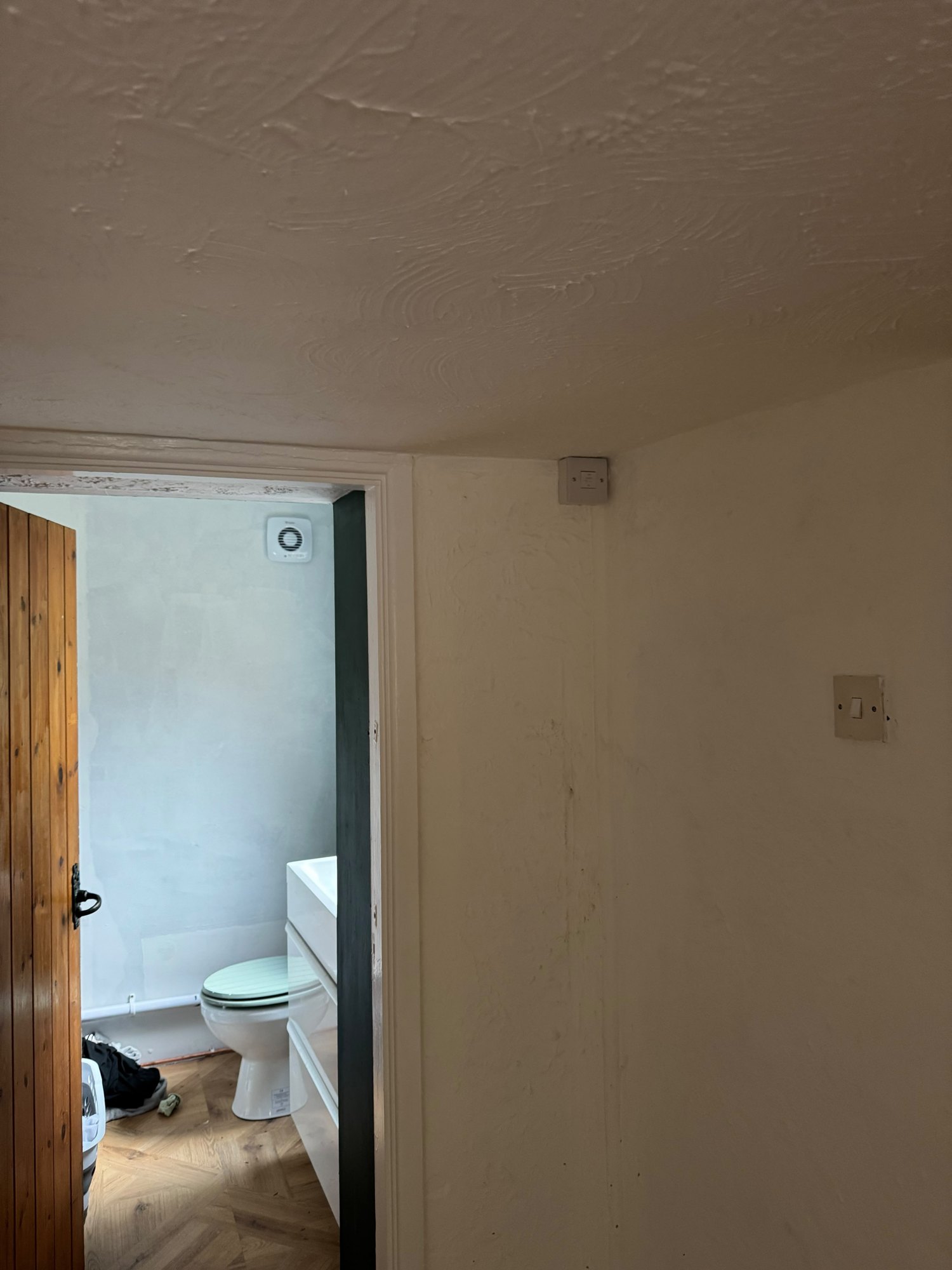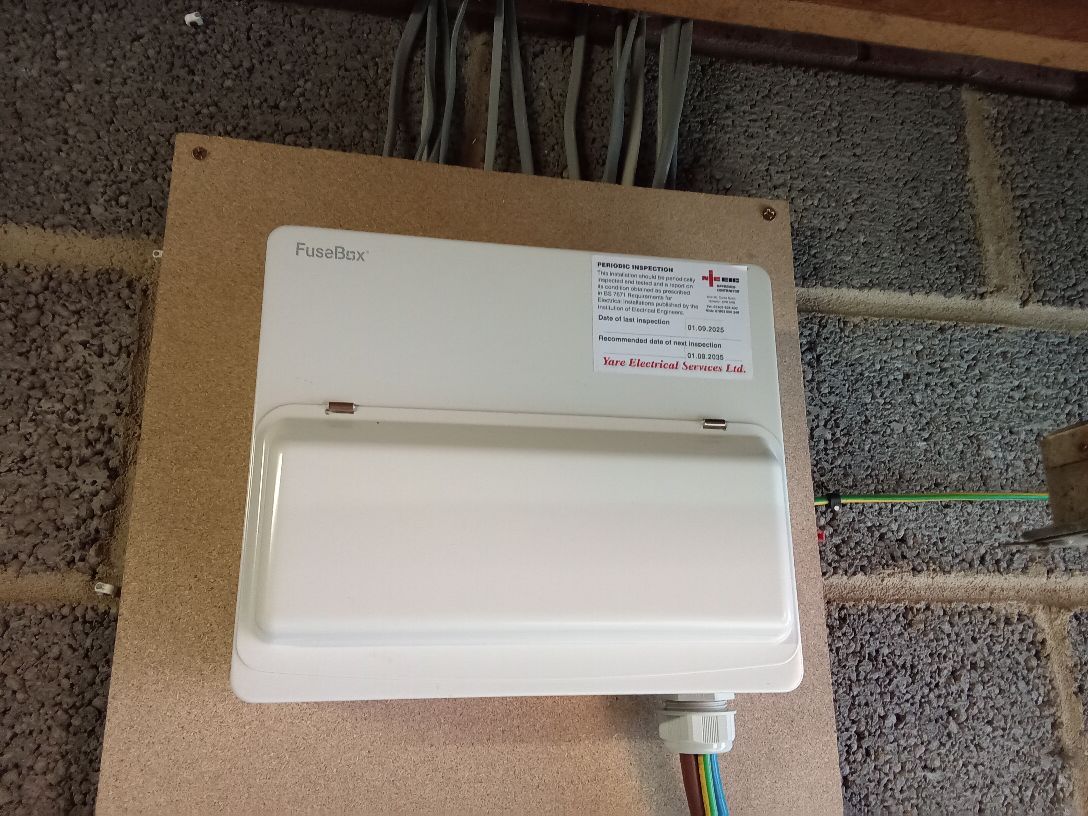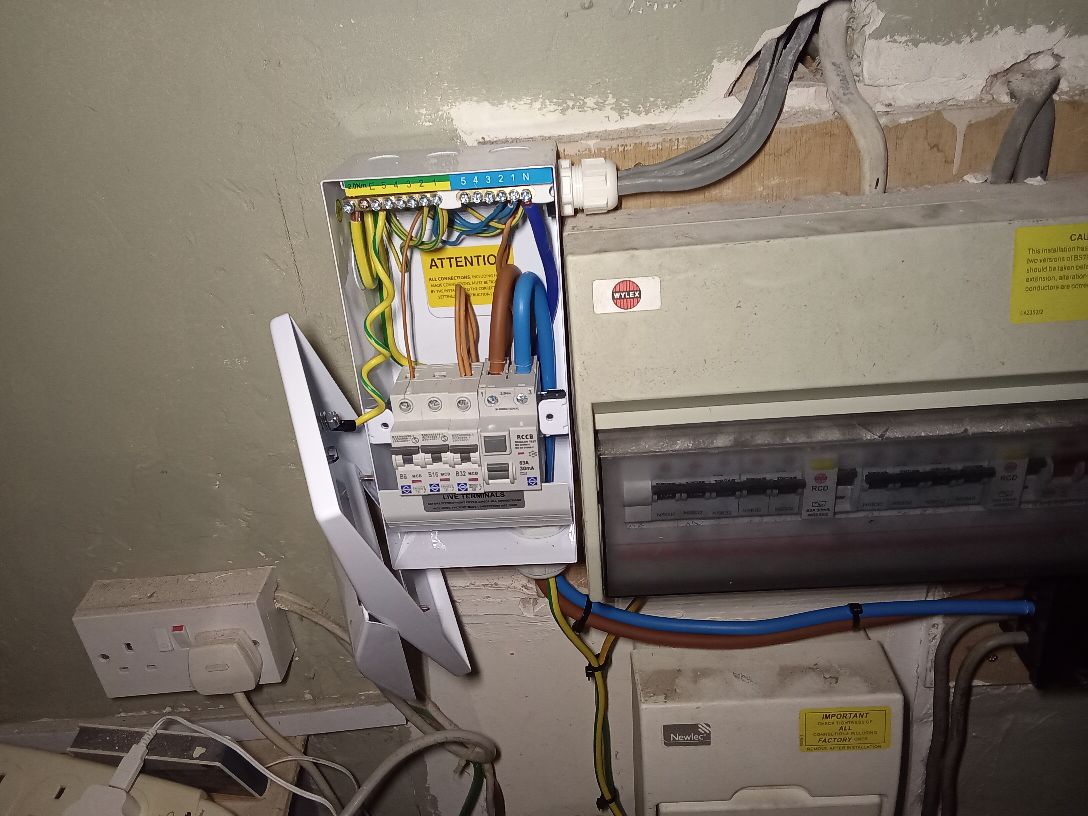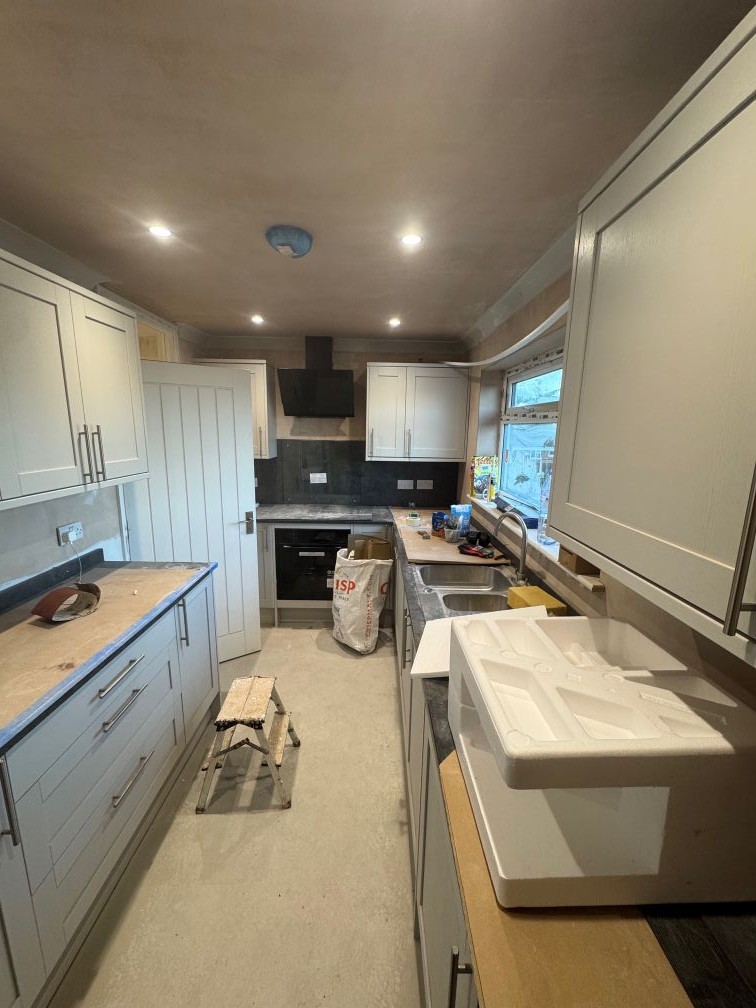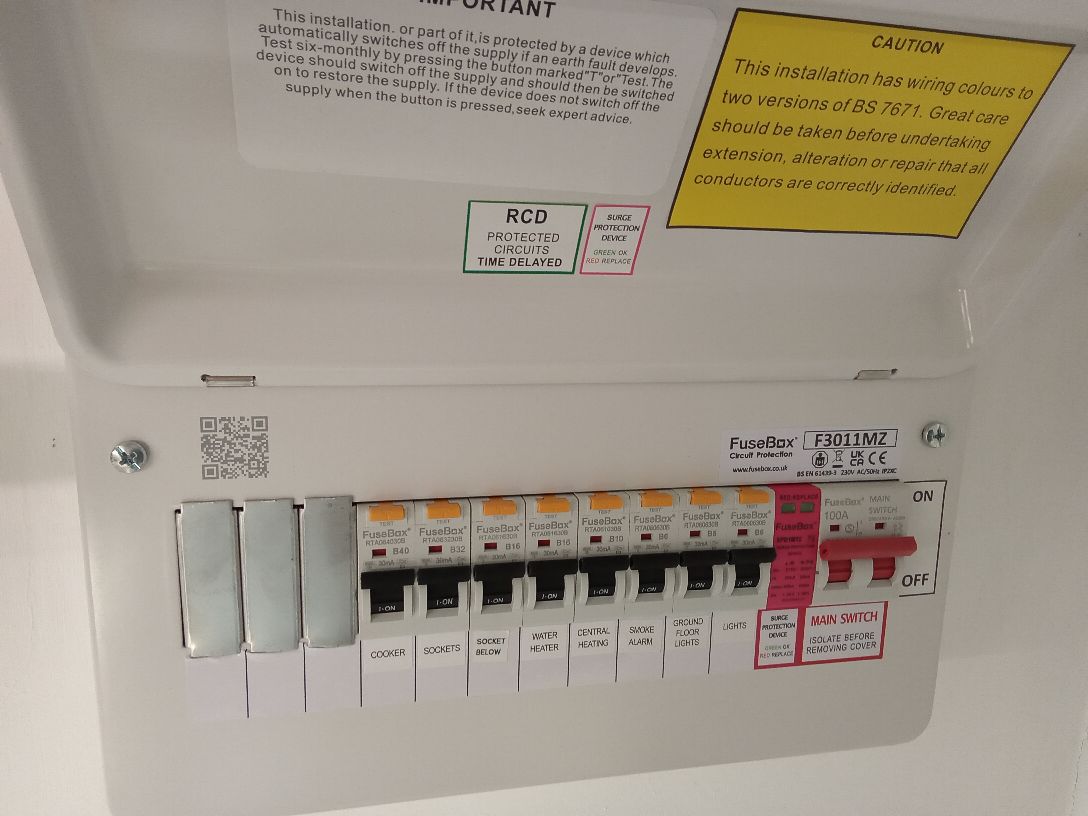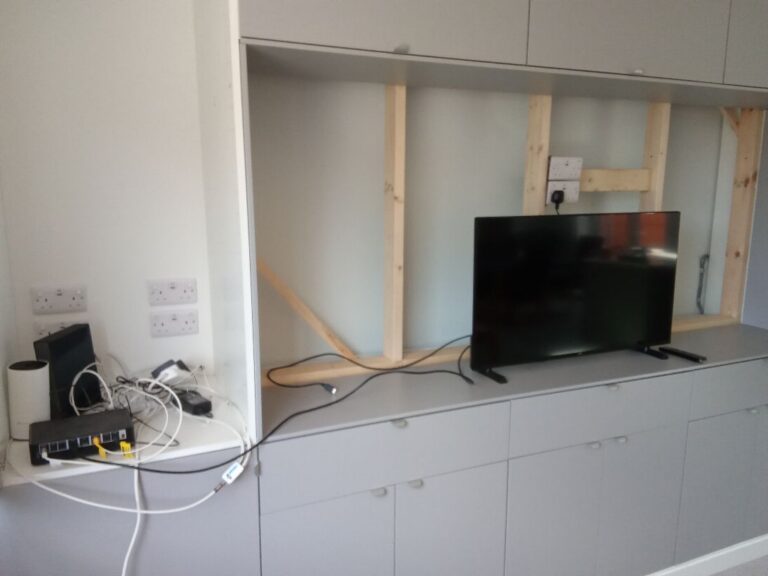
Run out of sockets? We add extra double sockets, USB points and spurs exactly where you need them — fished into walls neatly and tested on completion.
Why extra sockets matter (and trailing cables don't)
A home with too few sockets forces people to rely on extension leads and multi-way adapters. That's not just annoying — it's a fire risk. An overloaded extension reel running hot can ignite insulation; trailing cables get trip hazards; plugs yanked in and out of adapters wear out. Modern homes have devices everywhere — phone charging, laptop, smart speakers, e-readers, electric toothbrushes — and the wiring is usually 20+ years old. Adding sockets in the right places makes a space livable and safe.
Where to add sockets
Living room: One double socket per wall (three walls = 3 doubles), plus one or two USB sockets for phone/tablet charging. TV wall ideally has 2–3 doubles behind/beside the mounted screen. Kitchen: Every appliance wants power — fridge, dishwasher, microwave, kettle, toaster, phone charger. Plan for 2–3 double sockets per metre of worktop. Bedrooms: At least one double beside each bed (reading lights, phone charging, bedside fan in summer), plus 1–2 spares. Home office: Printer, desk lamp, monitor, laptop, phone, speaker — easily 3–4 sockets per desk. Bathroom: Shaver sockets, electric toothbrush, hair dryer, heated towel rail. Garage/workshop: Tools need power; one double per workbench section.
Installation options
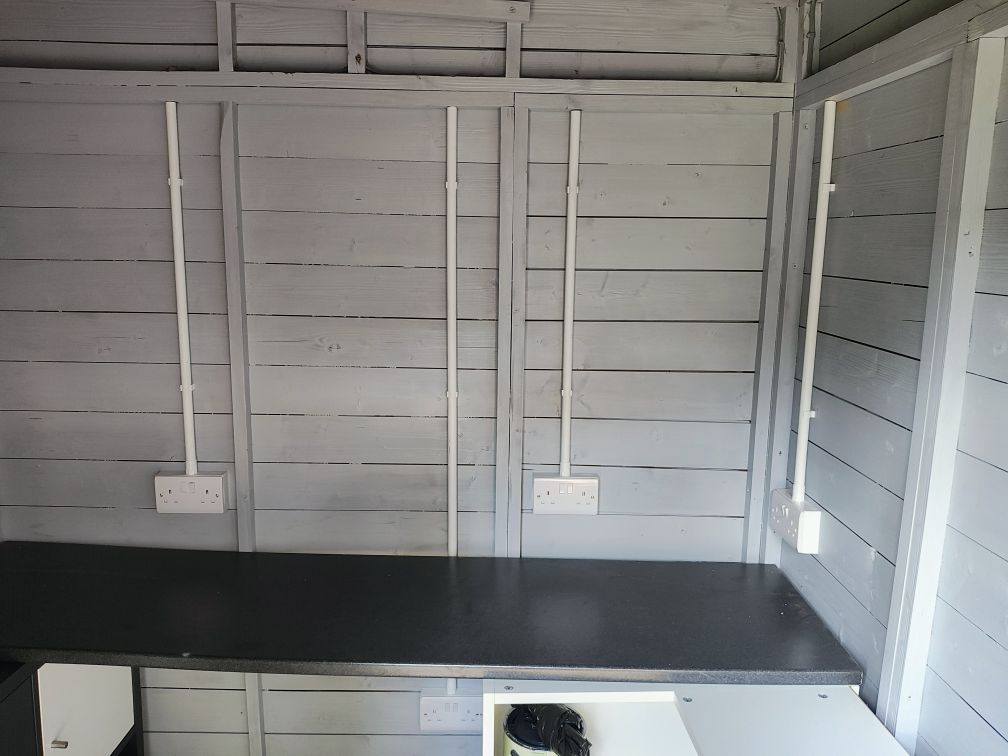
Chased in: We cut a channel in the wall (made good afterwards), run cable through it, and the socket sits flush. Best for visible walls in occupied rooms — looks tidy. Surface-mounted: Cable and socket sit on the surface in a protective duct. More visible but faster/less disruptive, and ideal for kitchens where walls are often tiled. USB sockets: Combine a USB outlet with a standard socket so phones charge without taking up plug space. Common in bedrooms and home offices now.
What affects the job, and the safety side
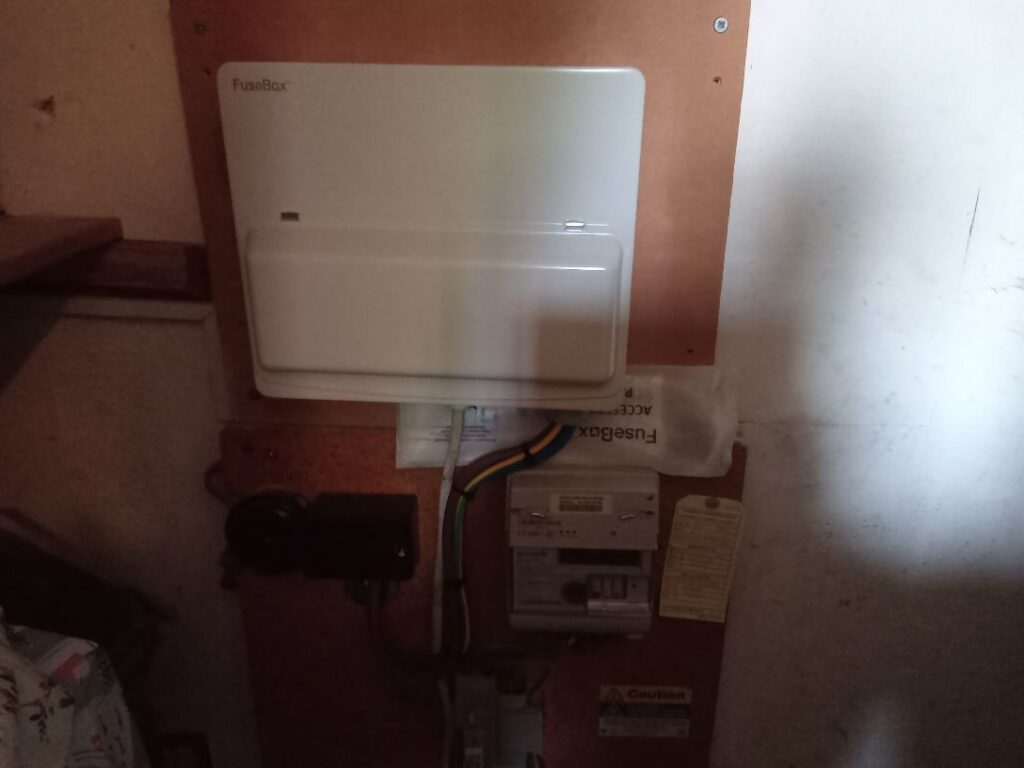
New sockets are priced per point, and the two things that change it are how far the cable has to run and whether the socket is being chased into the wall — chased points need making good afterwards. Kitchen and bathroom sockets must sit on RCD-protected circuits to meet Building Regulations; we handle that as standard. All work is tested and certified.
Future-proofing
If you're planning solar, EV charging, or heat pumps in future, adding spare capacity to circuits now (running slightly heavier cable in anticipation) saves having to rewire again later.