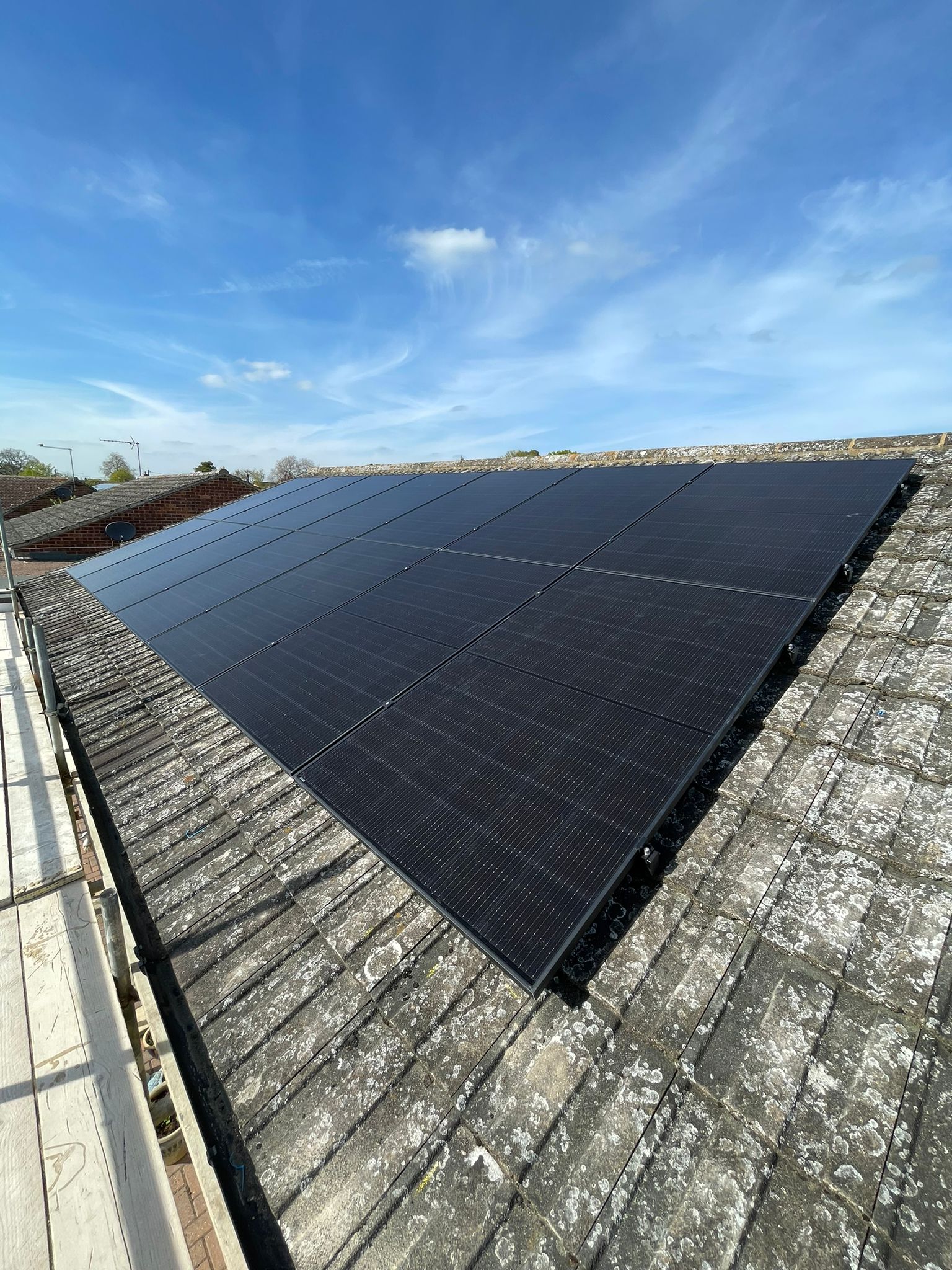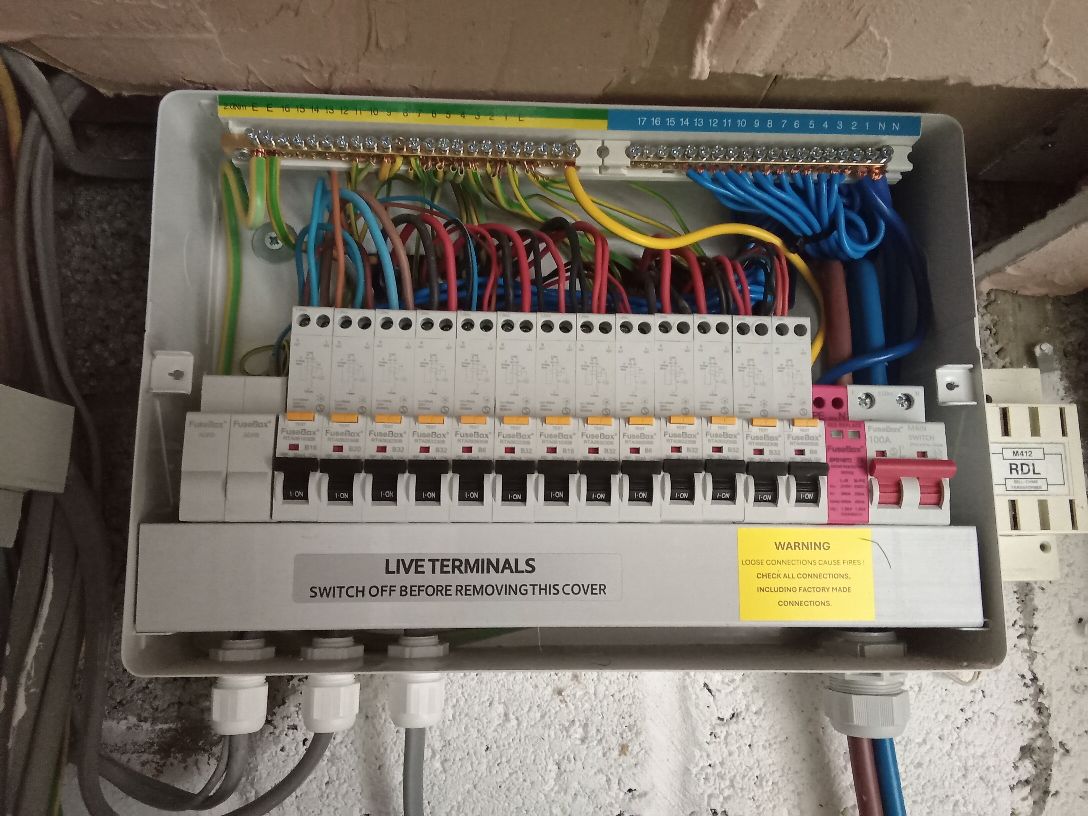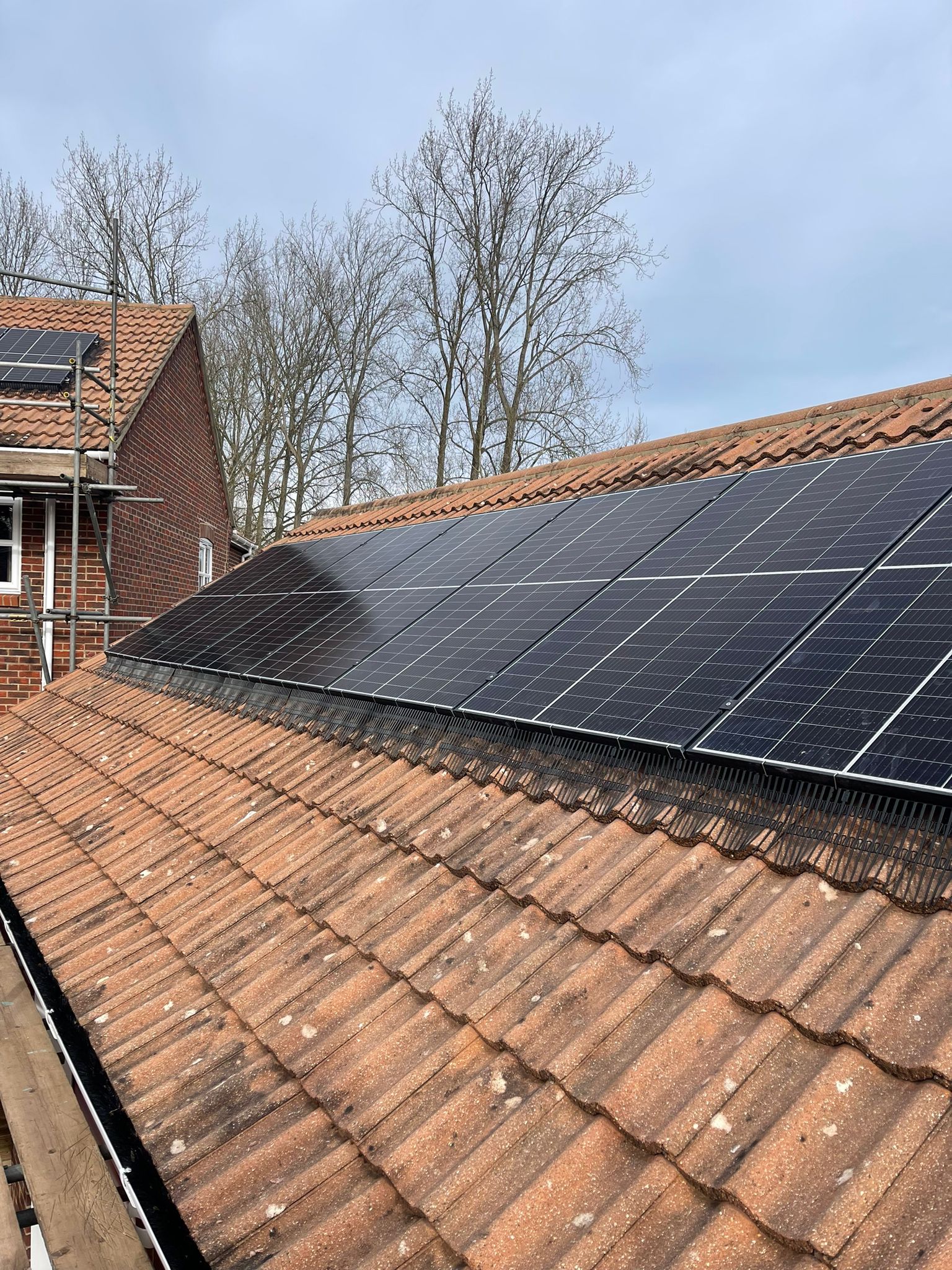
Solar system not generating like it used to? Whether it’s a single home array or a large commercial roof, our electricians diagnose and repair solar PV faults of every kind — dead strings, inverter faults, failed isolators, water ingress and tripping circuits. We get your generation (and your savings) back where they should be, fully tested and certified.
When a solar system quietly stops paying for itself
Solar PV is unusual among electrical installations: when it fails, nothing obviously breaks. No lights go out, no breaker trips, nothing smells hot. The system simply generates less than it should, month after month, and because most people never look at the figures the fault can run for years before anyone notices. By the time it is spotted, the lost generation usually dwarfs the cost of the repair. If your bills have crept up and you cannot say why, your array is worth a look.
What actually goes wrong
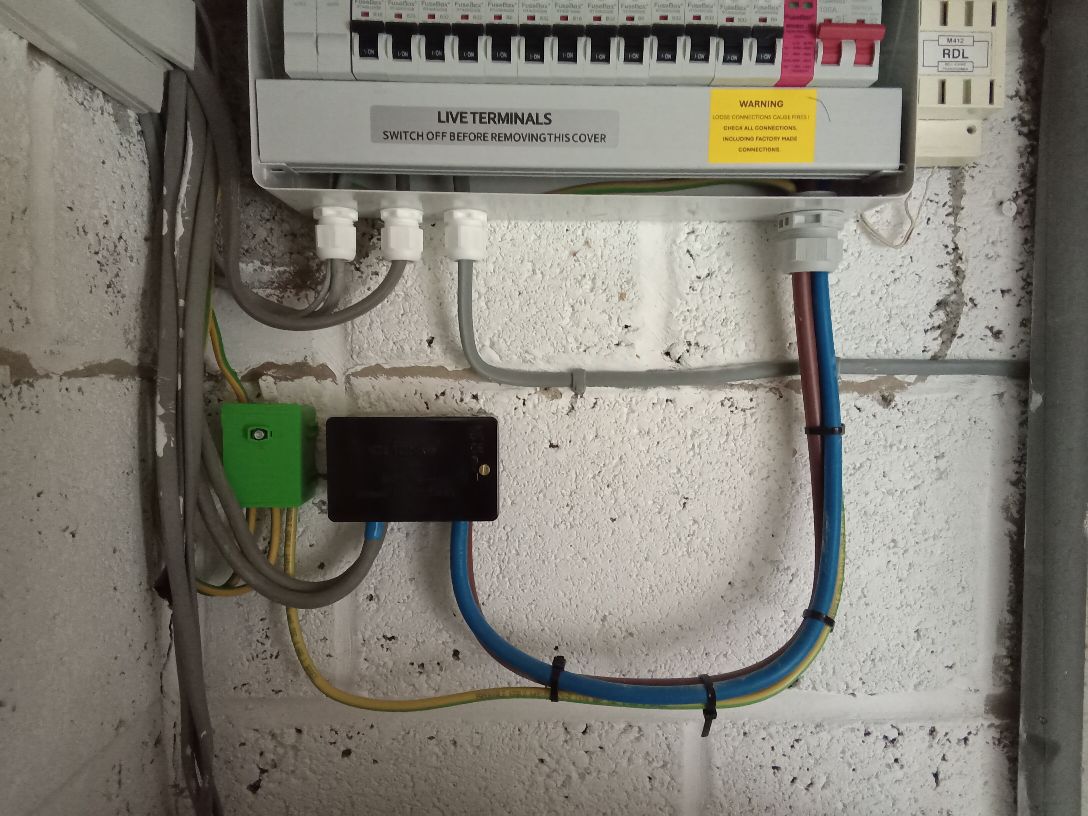
Inverters are the most common failure by a distance — they are the one component doing hard work every daylight hour, and most carry a shorter warranty than the panels. DC isolators are a close second, particularly the outdoor ones: water gets in, the contacts corrode, and the string drops out. Beyond that we see failed MC4 connectors (often badly crimped at installation), water ingress into roof-level junctions, rodent and bird damage to cabling, cracked or delaminating panels, and tripping RCDs caused by degraded insulation. Occasionally the fault is not a fault at all — just an array that has been shaded by a tree that has grown, or fouled badly enough to matter.
The diagnosis is the job
Anyone can swap an inverter. The skill is knowing whether the inverter is the problem. We test the system properly: string voltages and currents under load, insulation resistance on the DC side, earth continuity, the AC side and its protection, and the inverter's own error history and generation logs. That tells us whether you are looking at a component failure, a wiring fault, a shading problem or simply a system that was never commissioned correctly. You get a clear report of what we found and what it will cost — not a guess and a replacement part.
Systems we didn't install
Most of the repair work we do is on other people's installations, and a good share of it is on systems whose original installer has gone out of business — extremely common with arrays fitted during the Feed-in Tariff boom. You do not need paperwork from the original company and you do not need to have used us before. We will pick up an unfamiliar system, work out how it was put together, and get it running again.
Don't overlook the roof itself
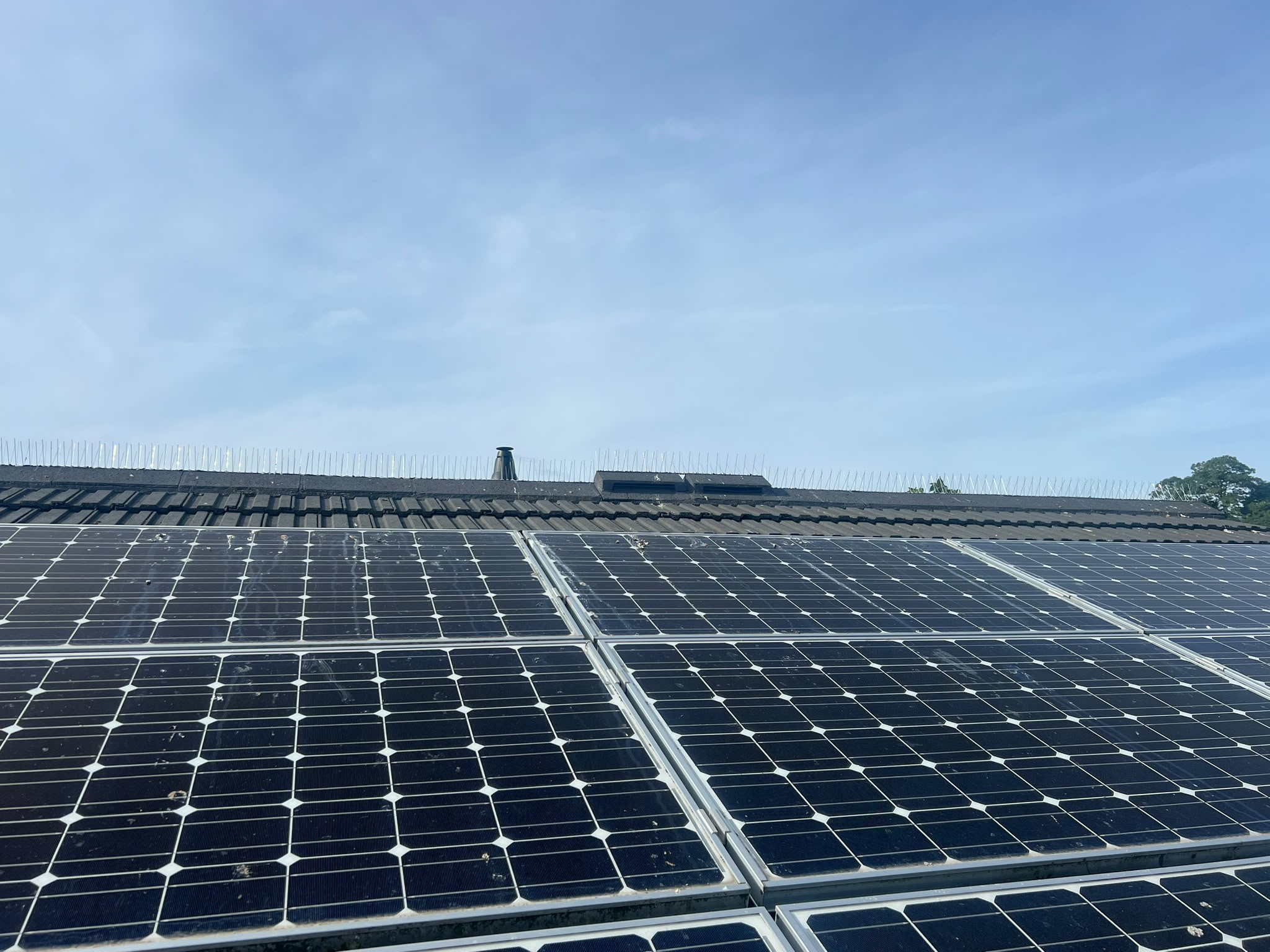
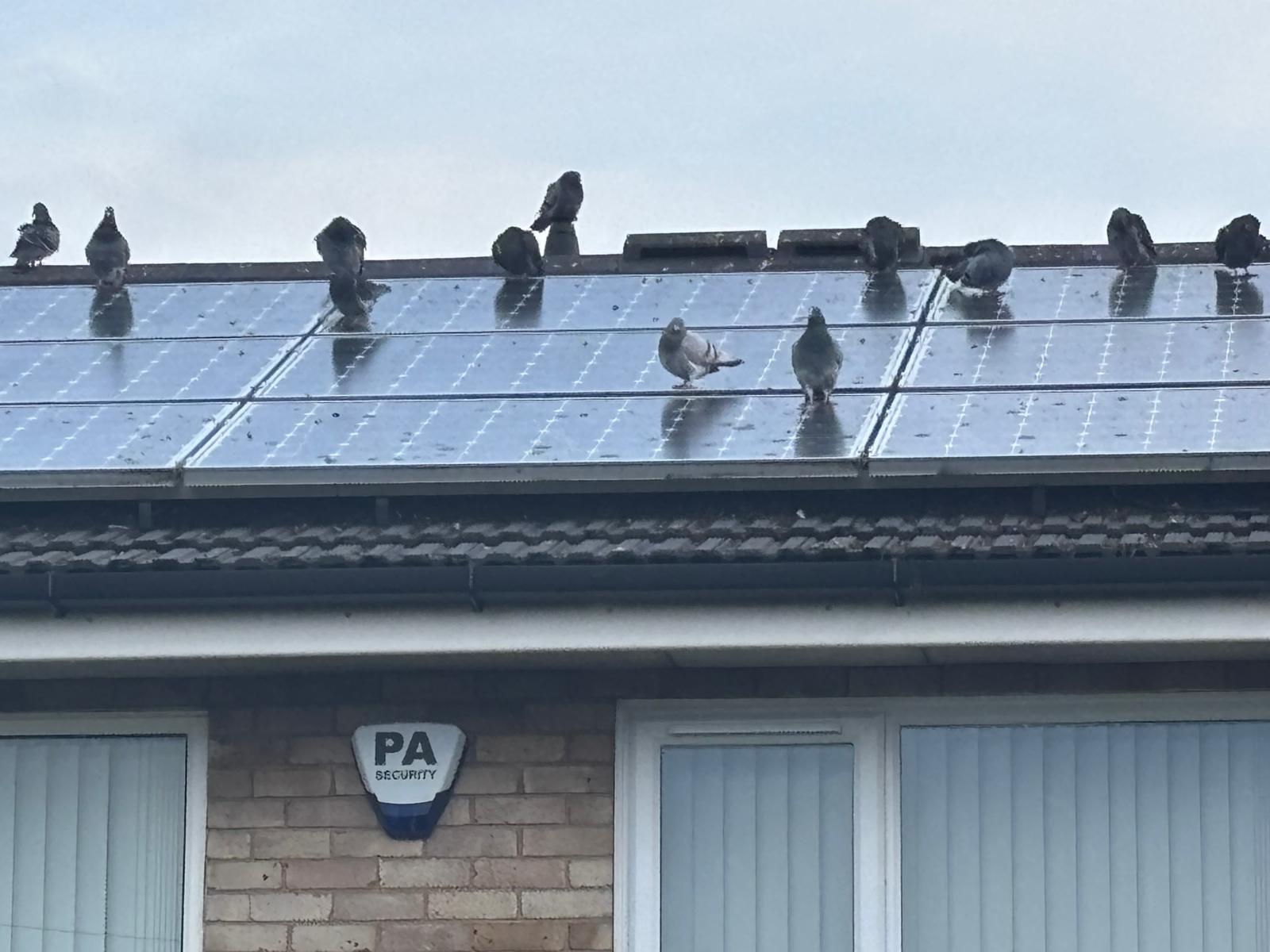
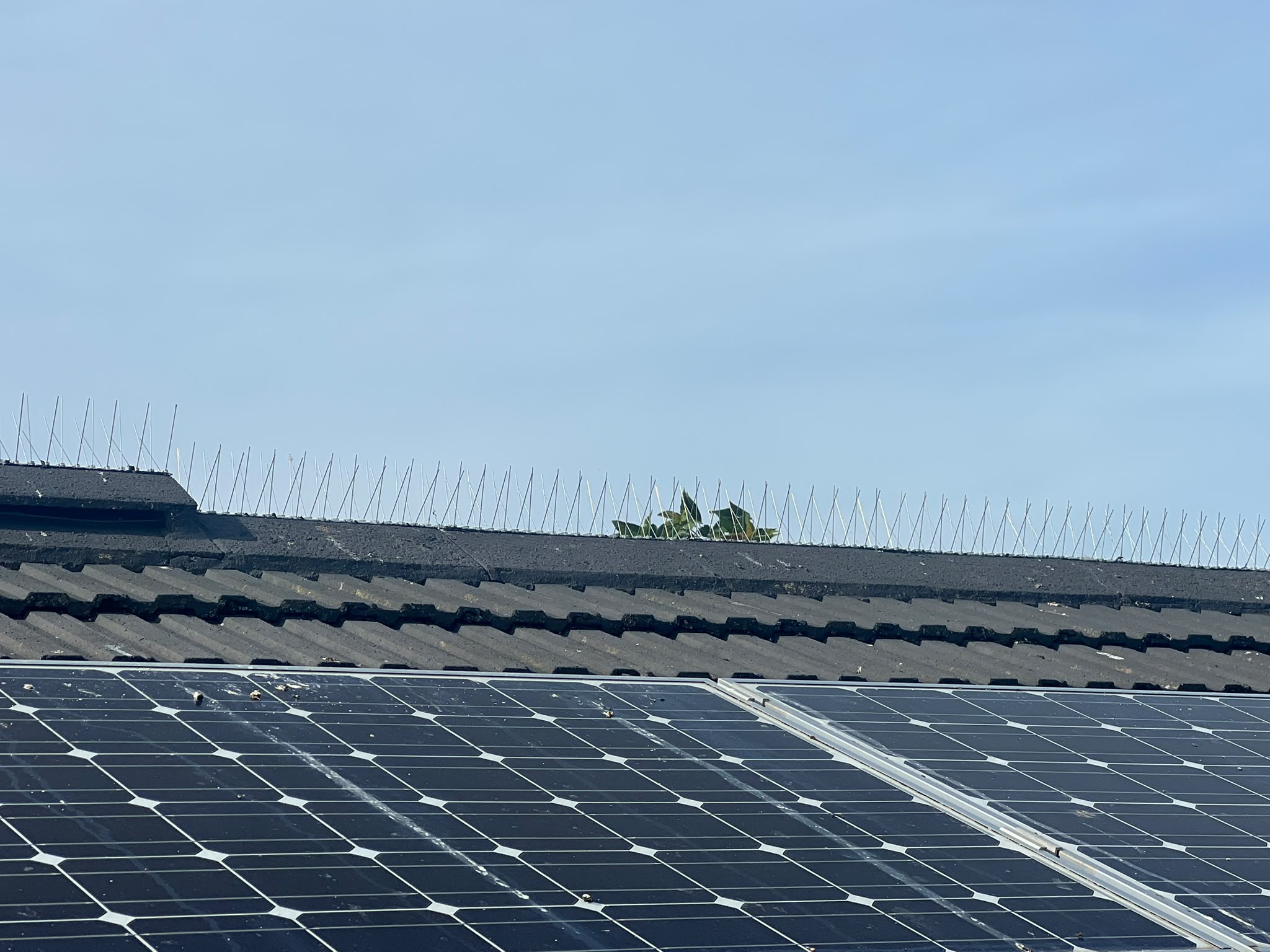
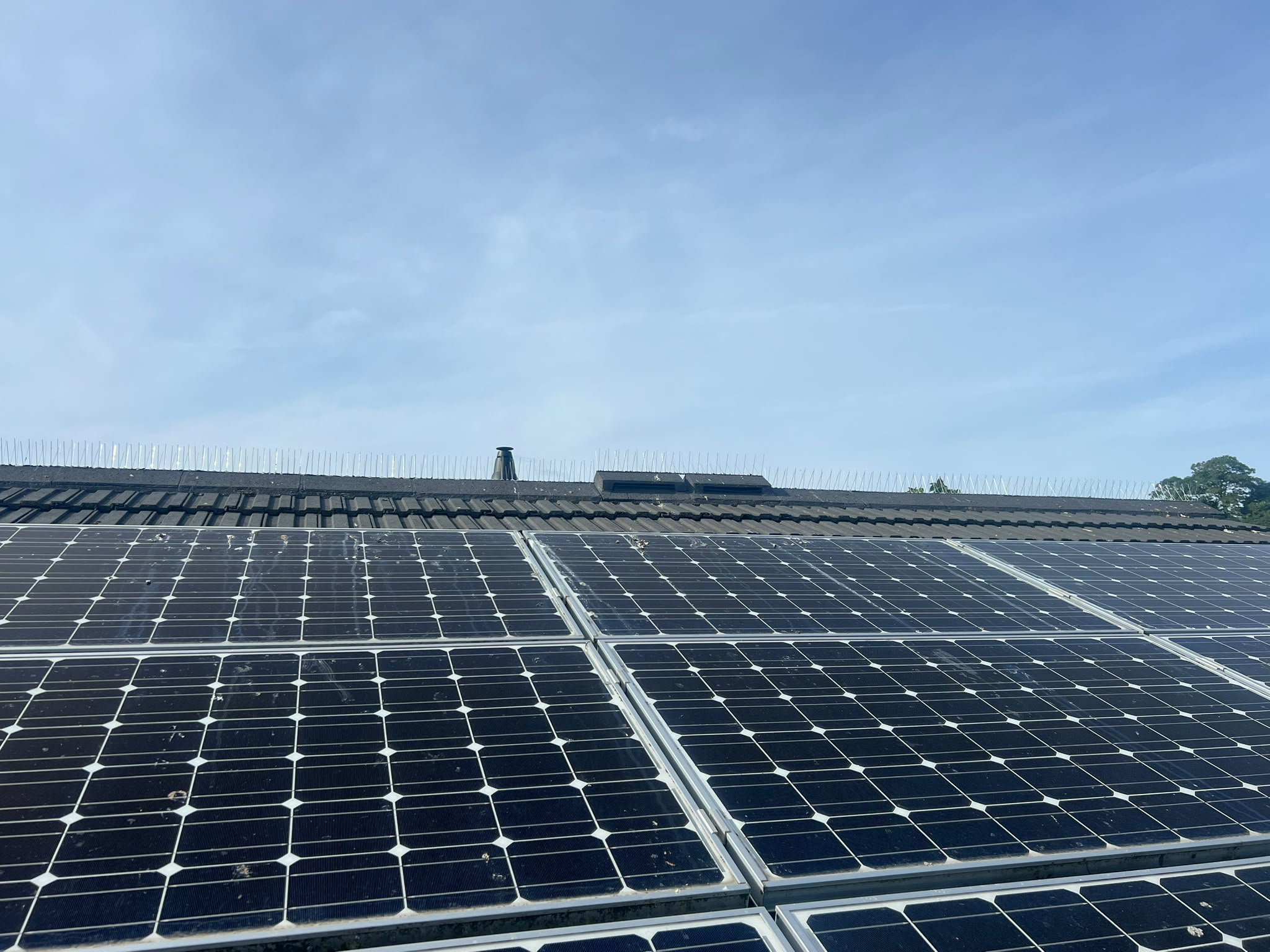
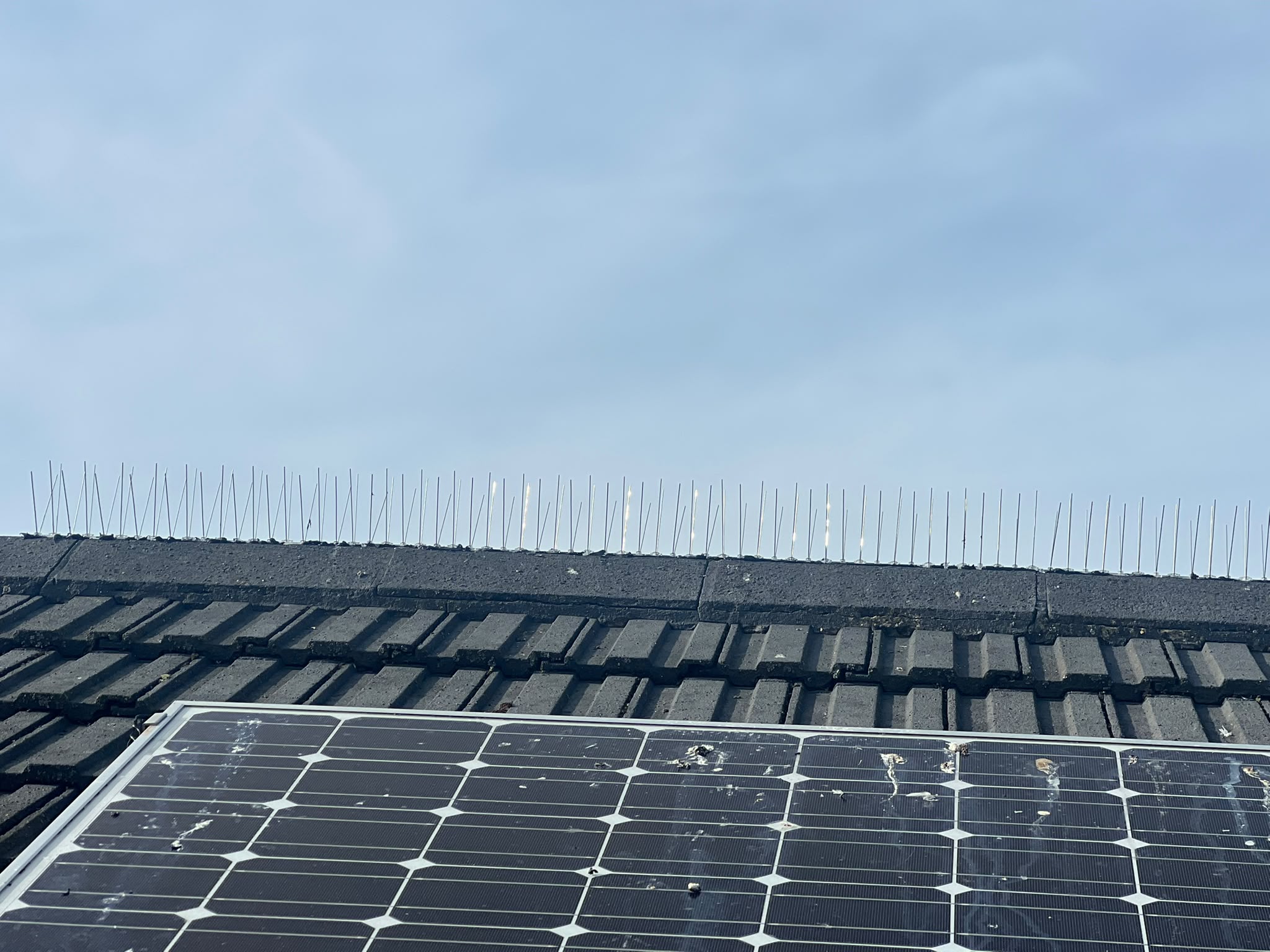
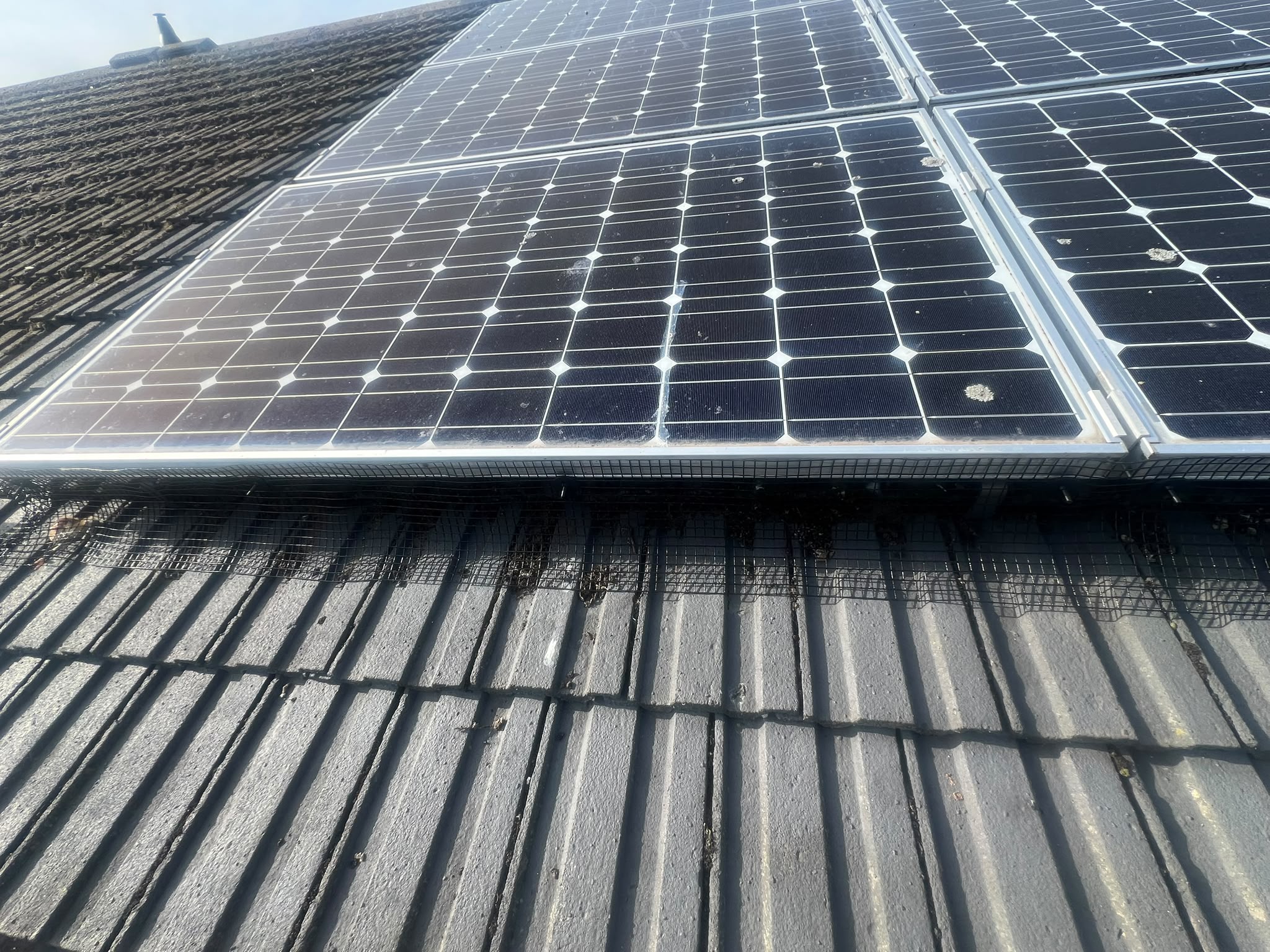
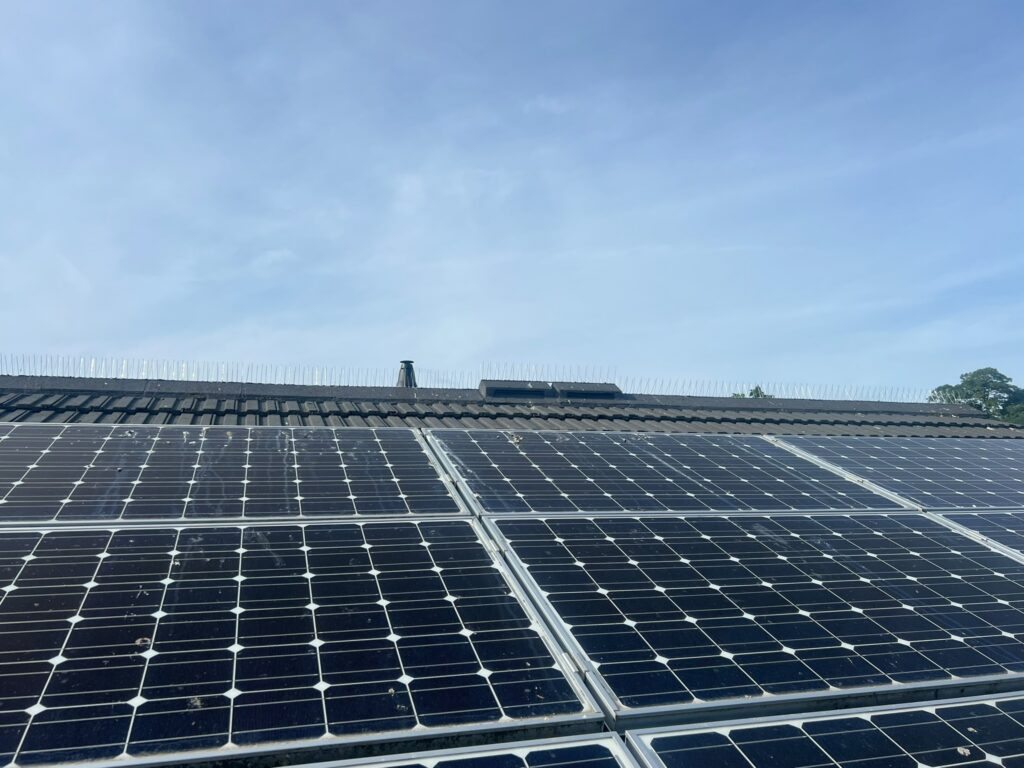
Before you pay for inverter diagnostics, it is worth having someone look at the panels. Pigeons nesting underneath an array foul the cells along the bottom edge, and because panels are wired in series a badly soiled cell drags down every panel on that string. We have seen systems written off as "inverter failure" that needed nothing more than a clean and a bird-proofing job. If that sounds like yours, our solar panel bird proofing service deals with the cause rather than the symptom.
Domestic, commercial and industrial
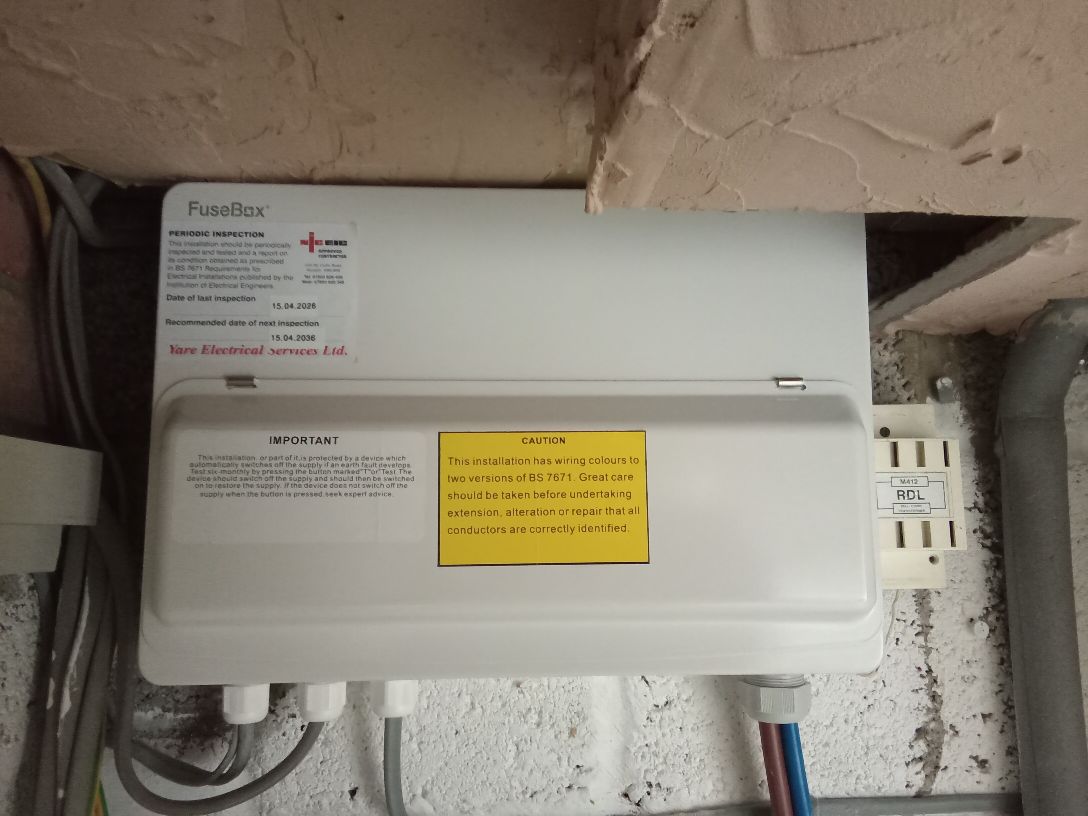
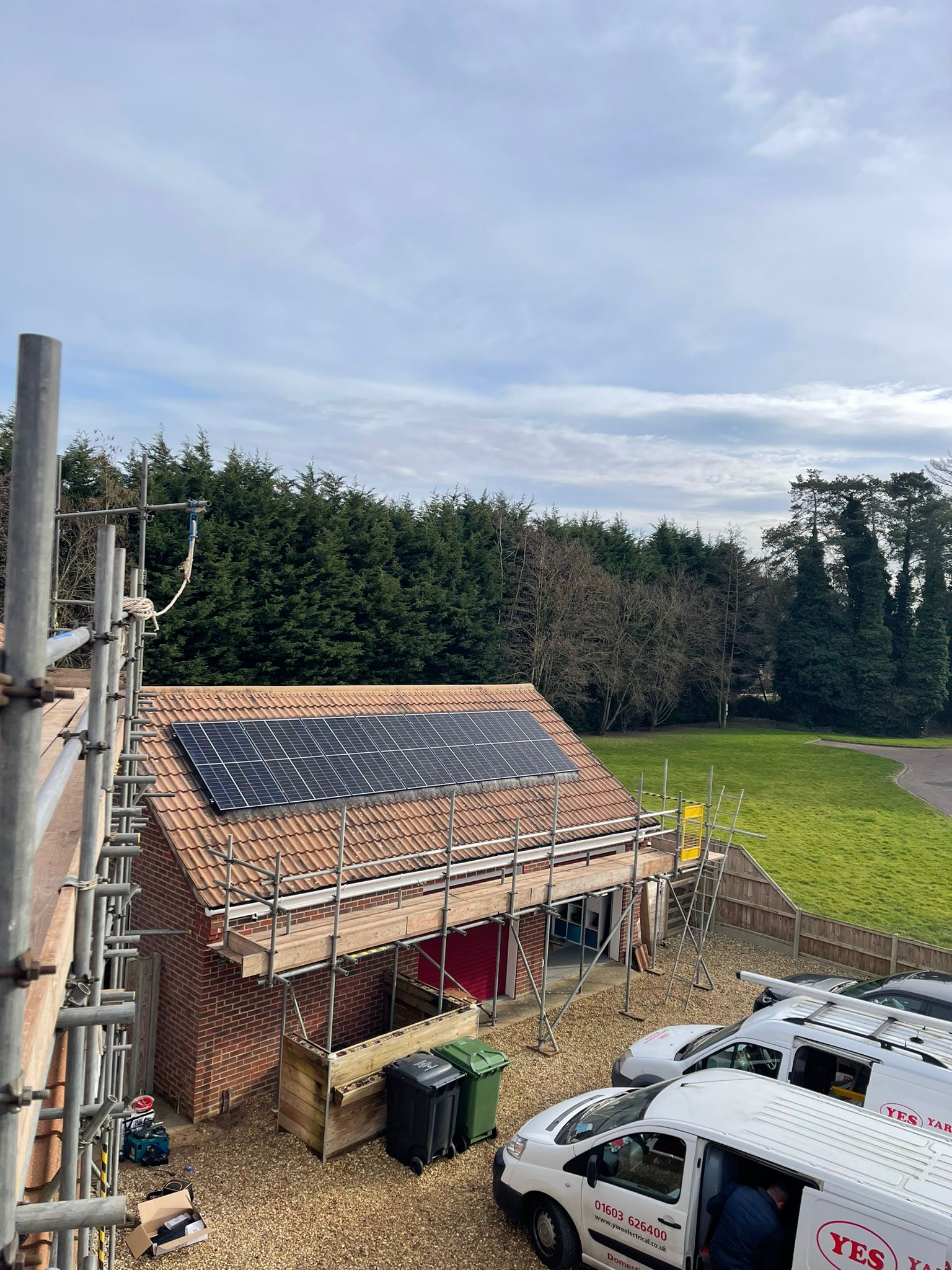
The same principles scale from a 10-panel house roof to a warehouse array or a ground-mounted field system — only the numbers change. On larger installations a single dead string can be a serious sum in lost revenue each month, so it pays to have monitoring that tells you quickly and someone who can attend when it does. Everything we repair is tested and certified on completion, by NICEIC-approved electricians who install solar as well as fix it.