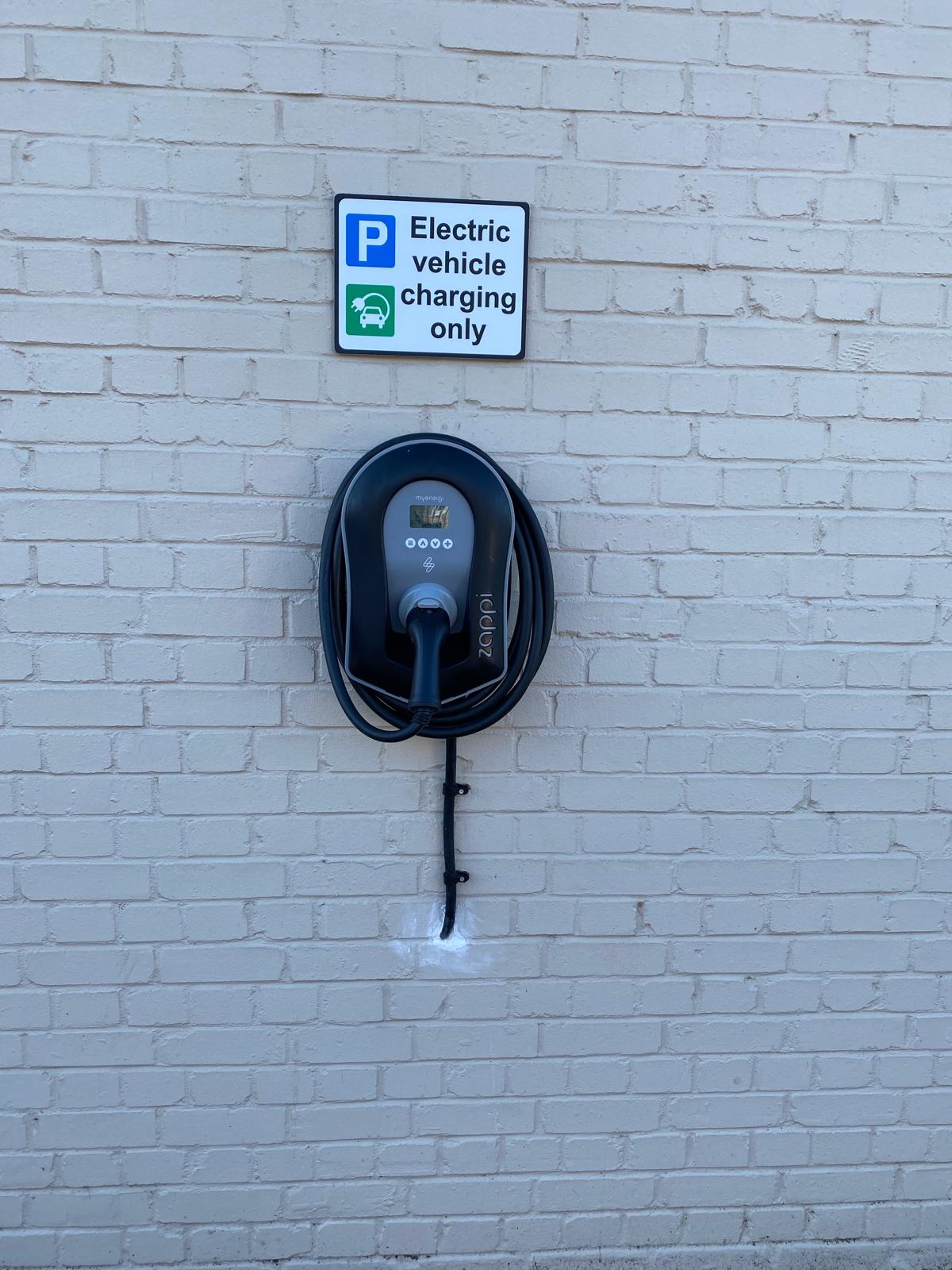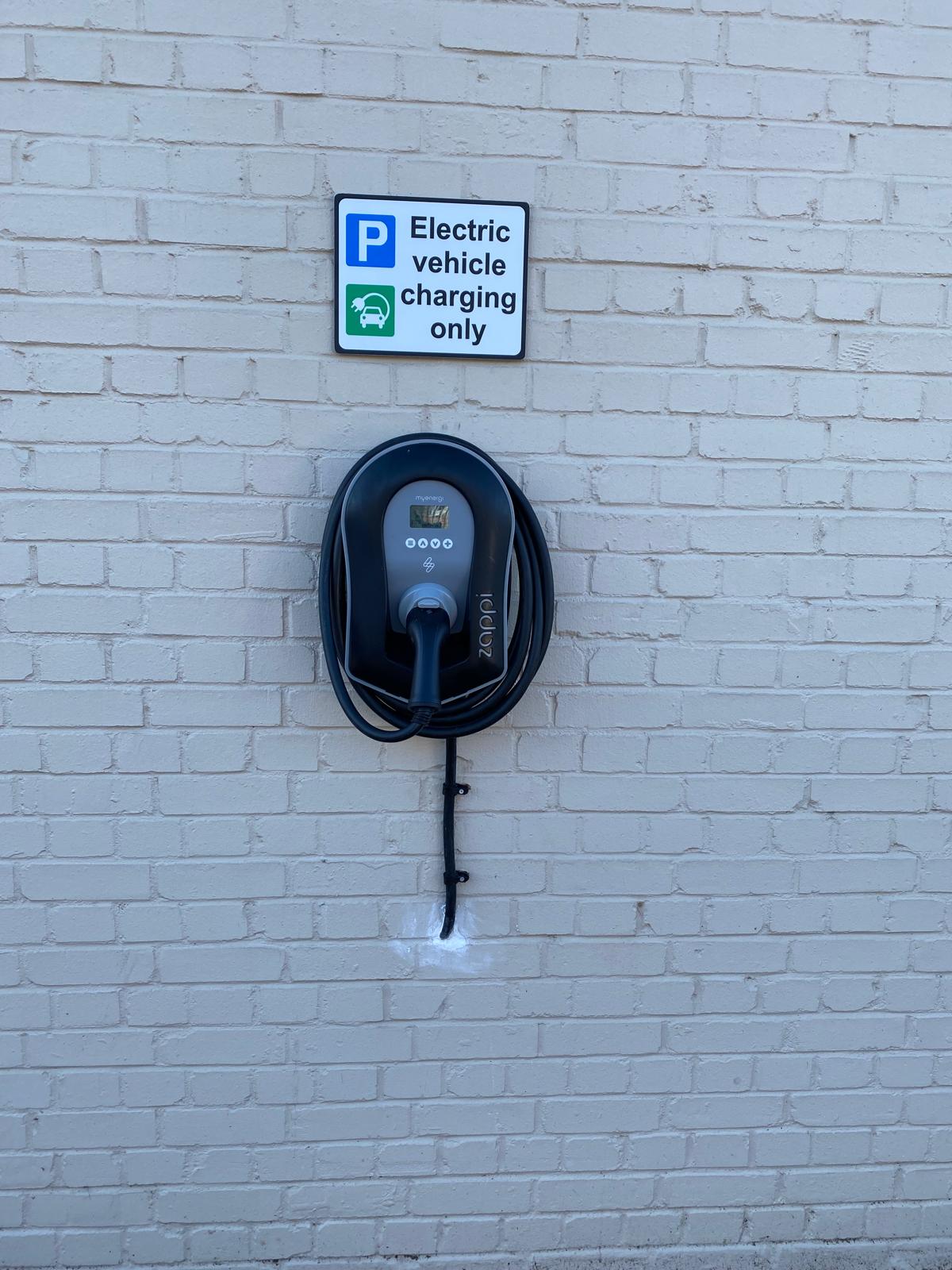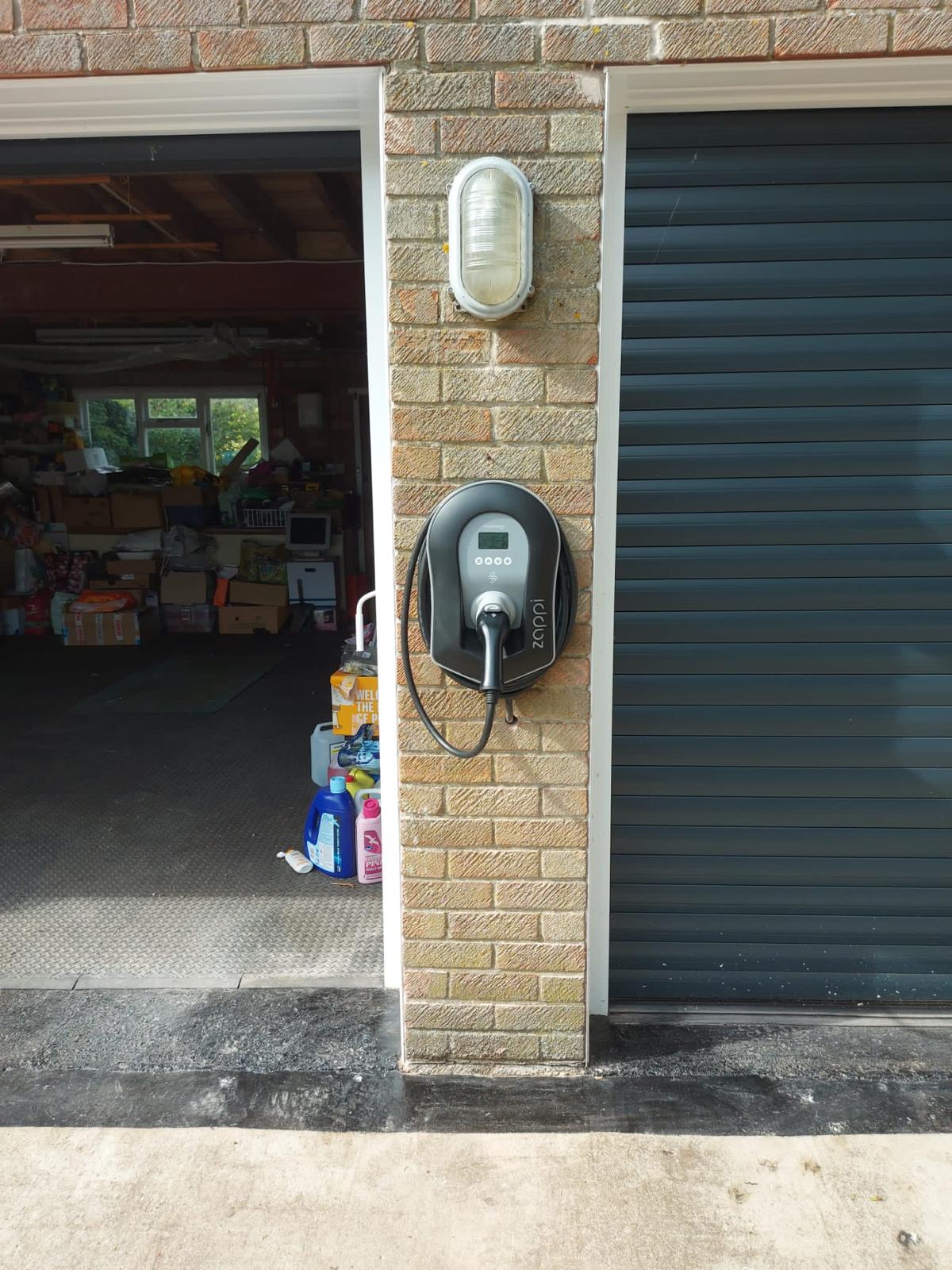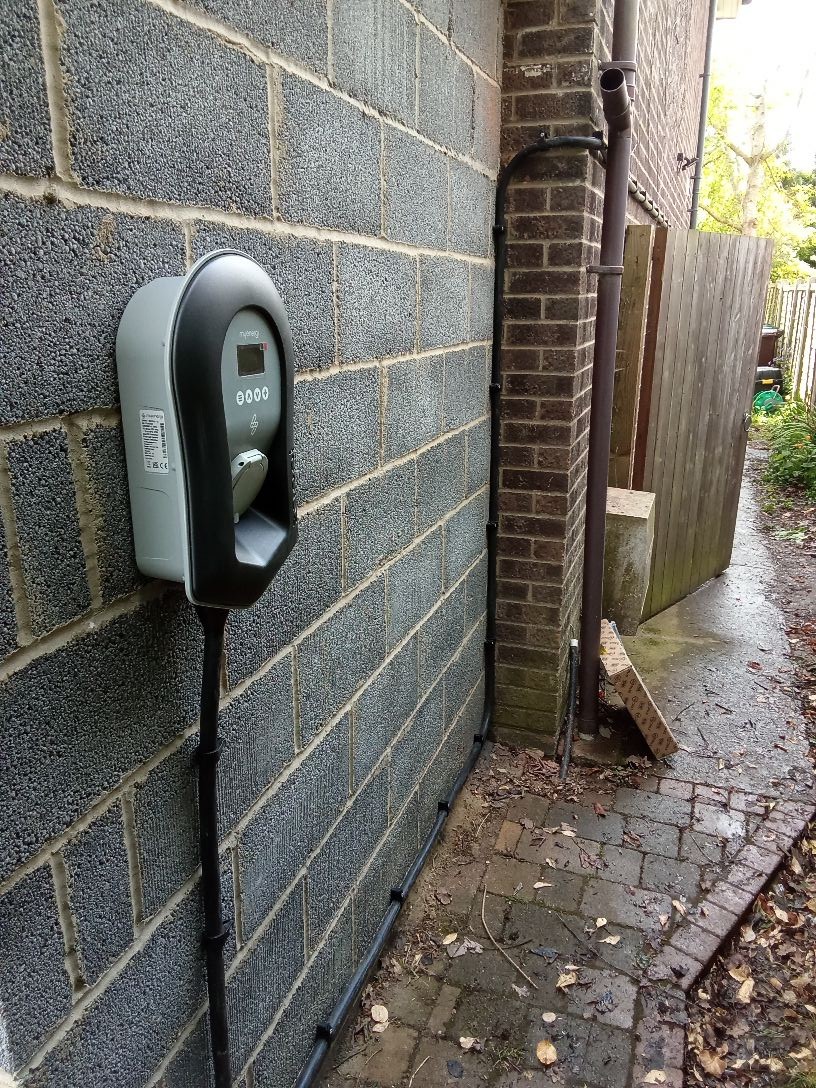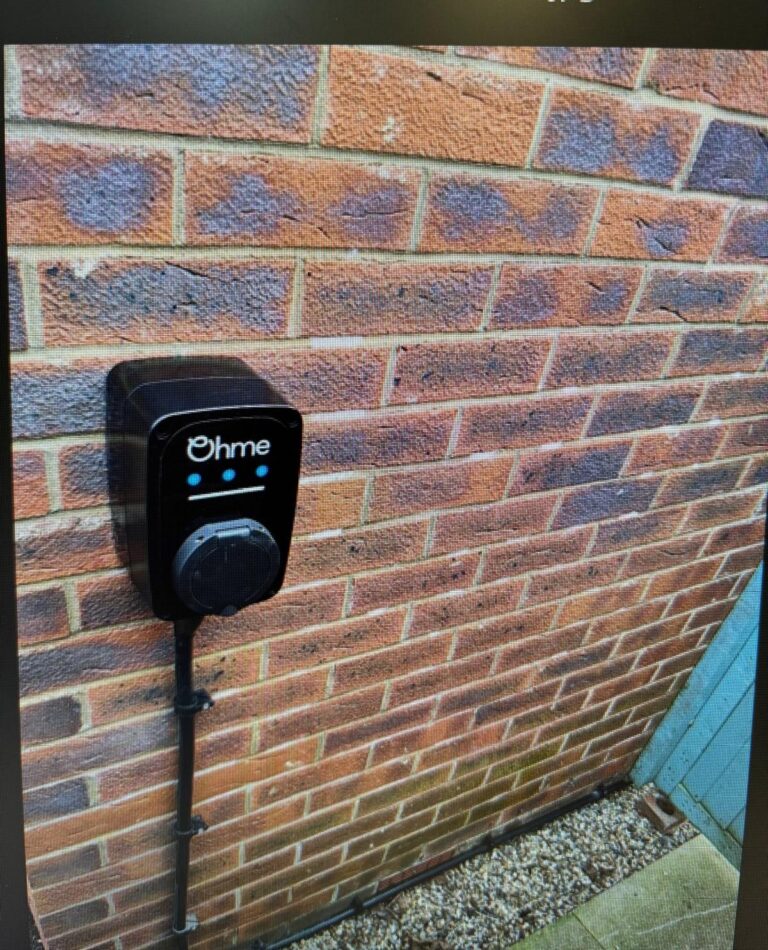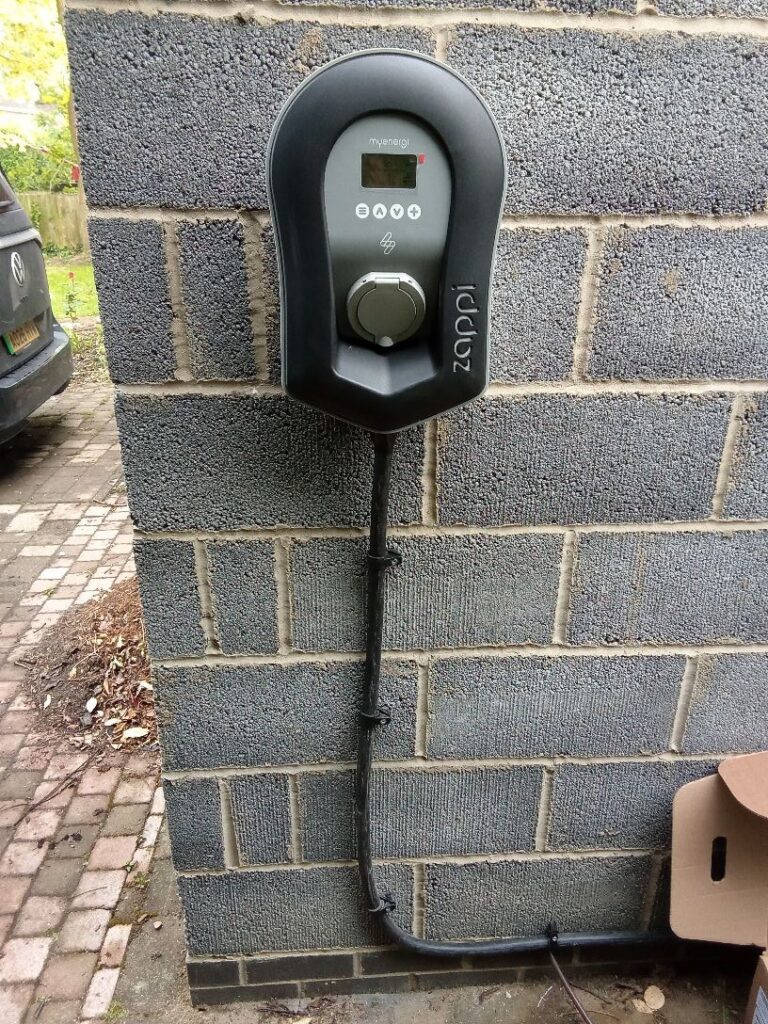
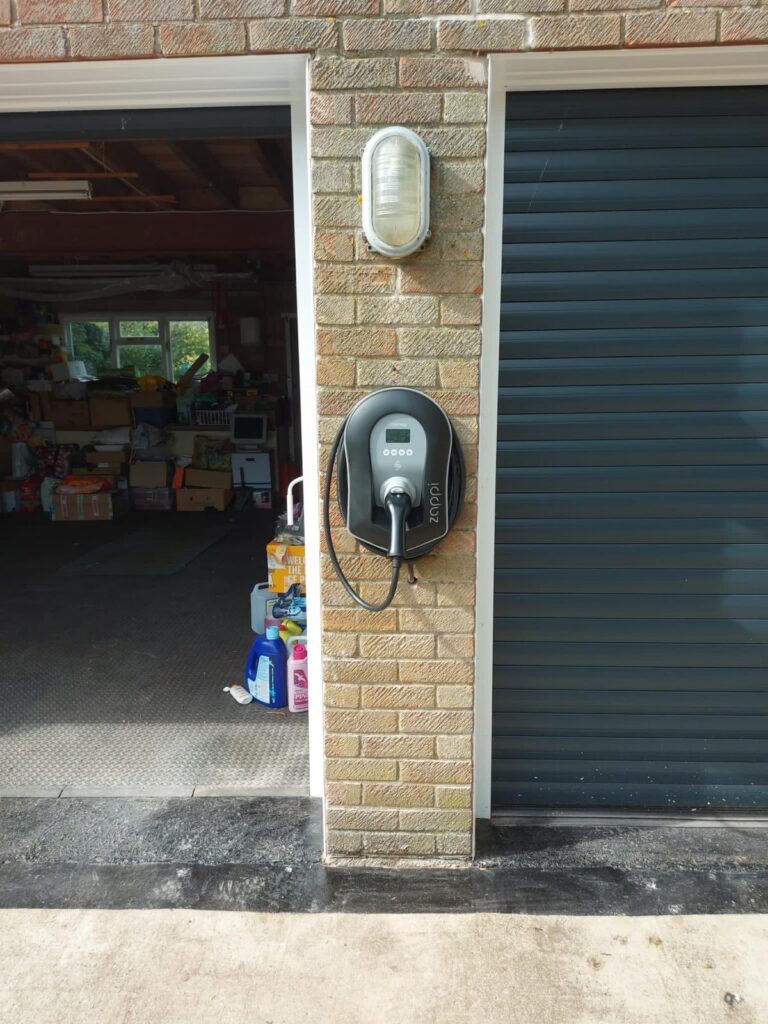
Charge at home for a fraction of the cost of public points. We install all the leading home EV chargers, sited neatly and wired safely by qualified electricians, with all the testing and certification you need.
Home charging vs. the public network
Charging at home overnight on an Economy 7 or off-peak tariff is dramatically cheaper per mile than a public rapid charger, and for anyone driving regularly that gap is the strongest single argument for having a charge point fitted. A 7kW home charger takes 8–12 hours for a full charge, which is exactly what an overnight slot gives you; a 22kW charger, if your supply allows one, takes 3–4 hours. Most home EVs are plugged in all night anyway, so 7kW is more than sufficient for the large majority of drivers — and it keeps the installation simpler.
What the installation involves
A dedicated 7kW charger needs its own circuit from your consumer unit (usually a 32A circuit), a weatherproof socket or hardwired connection, and cable routing to your parking area. We handle DNO notification (tells the grid operator you're adding a load), carry out all testing to BS 7909 standards, and provide commissioning with an app tutorial. The charger itself sits on your wall or garage — modern ones are sleek and discrete. Installation typically takes one day, and you can usually start charging the next morning.
What the quote depends on
Two things move the price of a home charge point more than anything else: how far the cable has to run from the board to where you want the unit, and whether your consumer unit needs upgrading to take it. A single-phase supply that needs an extra circuit adds a little more. Grants do exist depending on your circumstances and the type of property, and we will tell you what is available at the time rather than assuming. You get a fixed price before we start.
Smart chargers and time-shifting
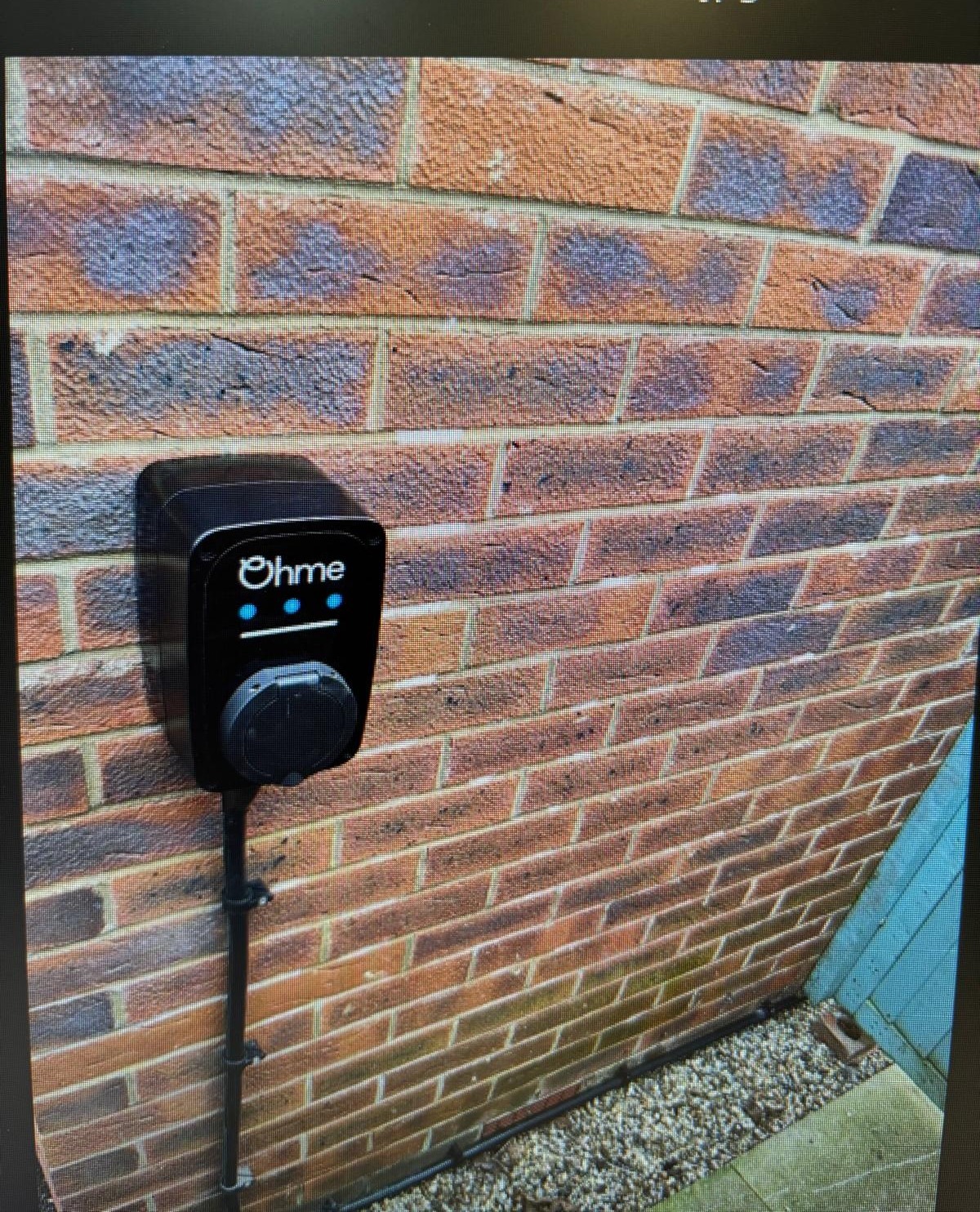
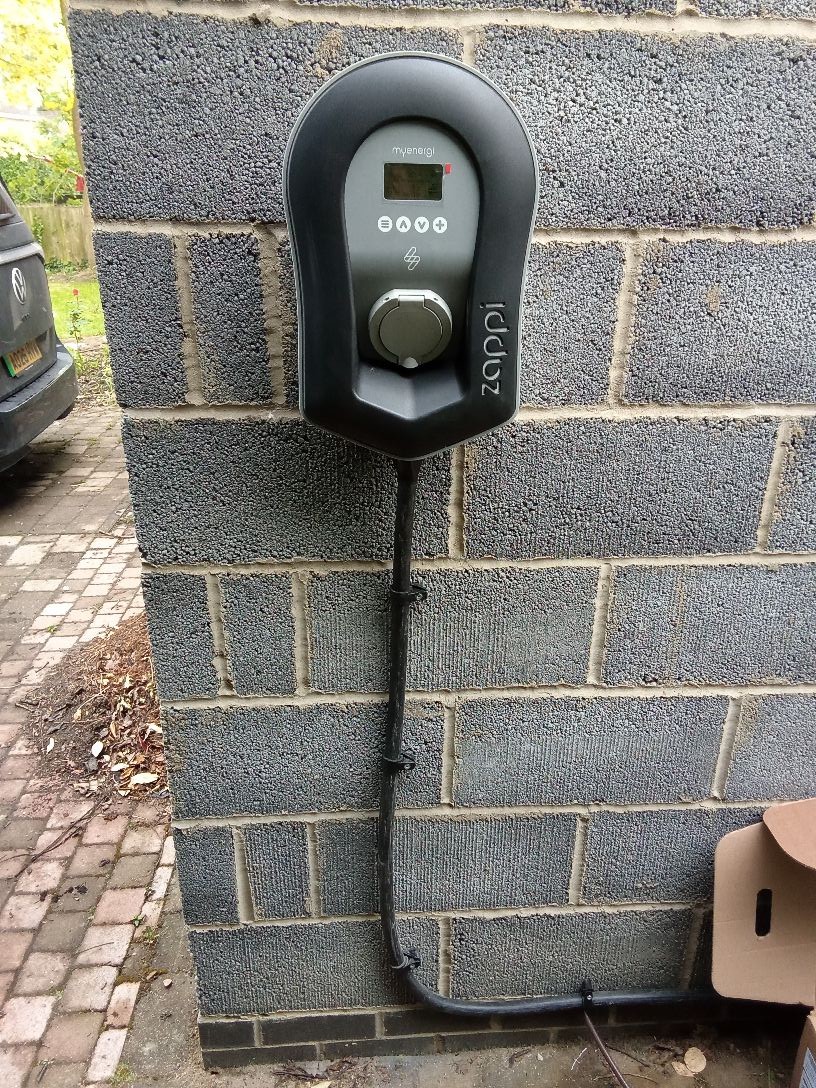
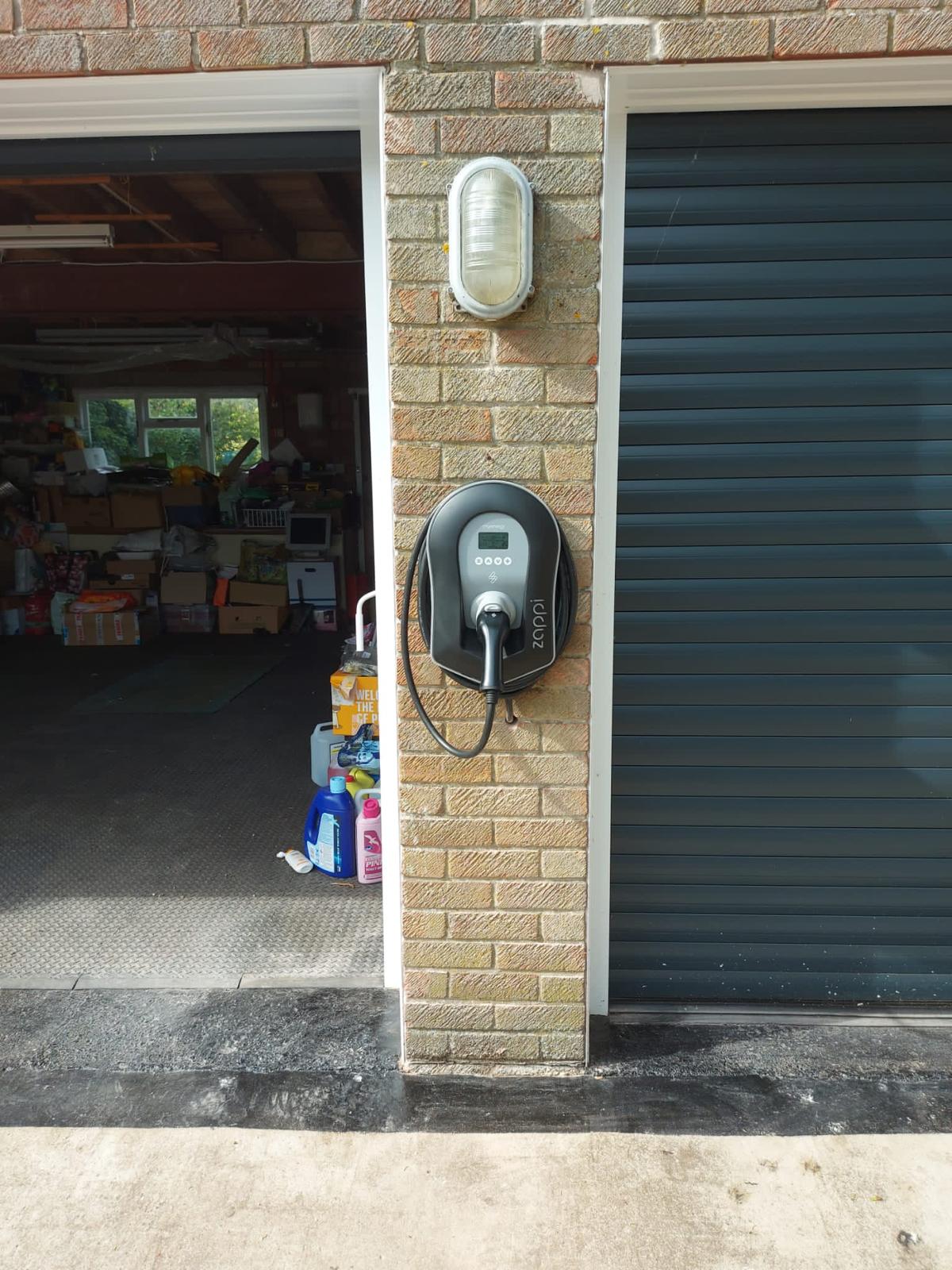
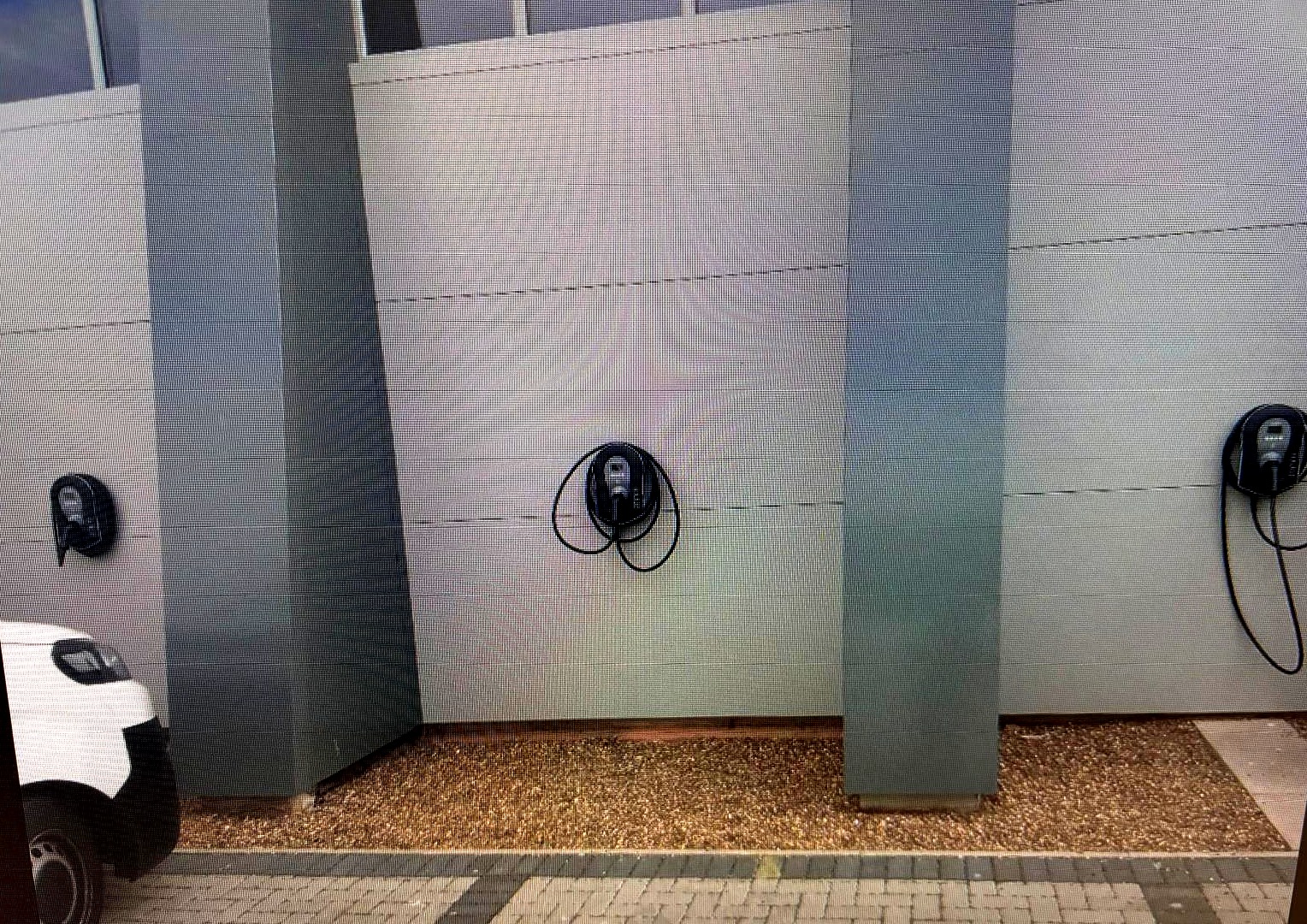
Most chargers we install have app control and can be scheduled to charge only during off-peak hours (saving 30–50% on charging cost). Some integrate with solar systems so you charge for free using your own generation. Ohme and Zappi chargers are popular because they're modular, reliable, and the apps are intuitive.
Supply limitations and load management
If your home is on a lower-capacity supply (60A), adding a 7kW charger might trigger DNO concerns about peak load. We can either request a supply upgrade (takes 4–6 weeks) or fit a load-management system that temporarily reduces charger power if you're running the oven and heating at the same time. Most homes don't notice this — it's automatic and transparent.
Future-proofing
Installing a charger now positions you for a second EV later, or for a higher-power charger in future. We future-proof the circuit and ducting during installation so upgrades are straightforward.