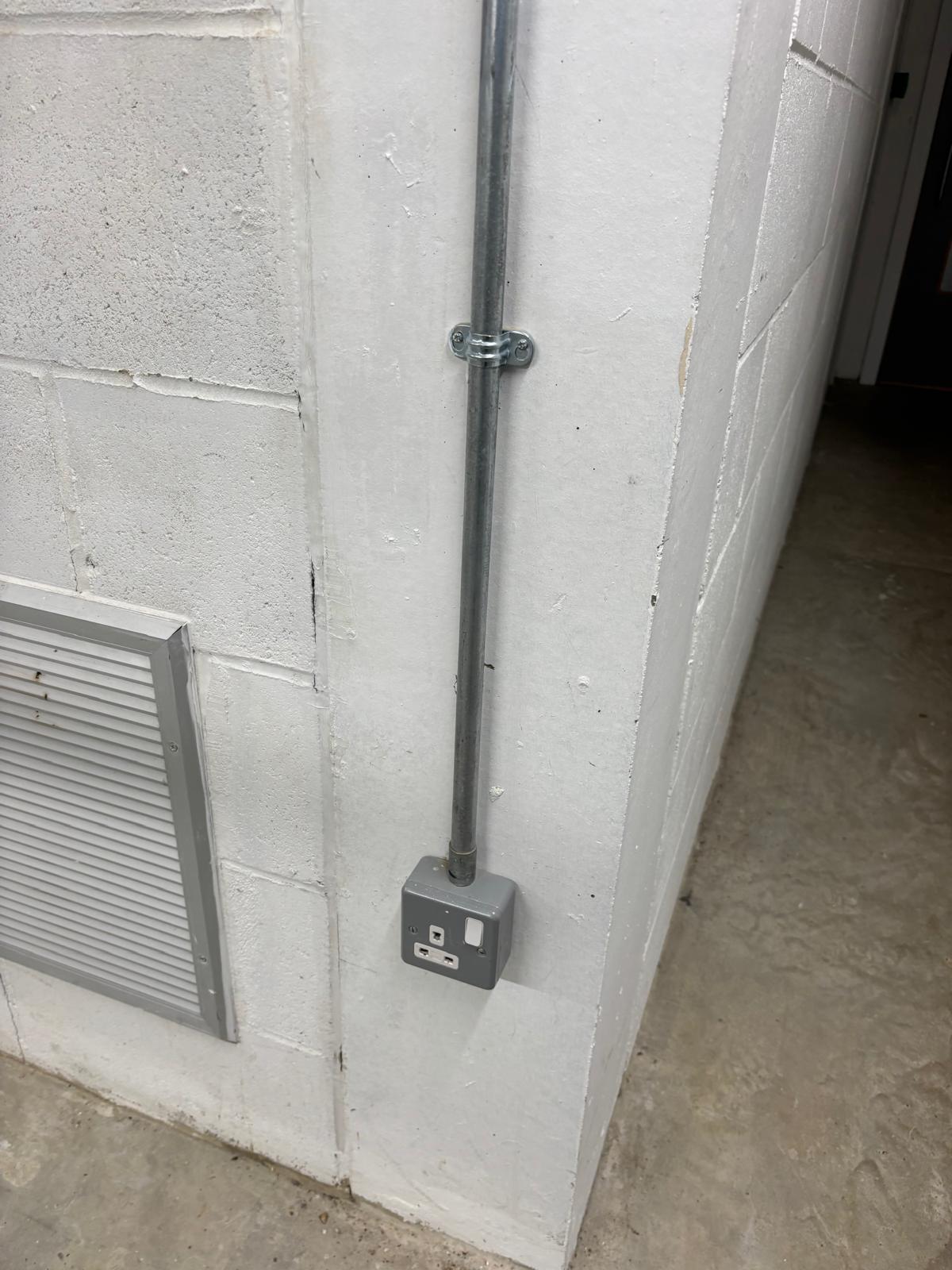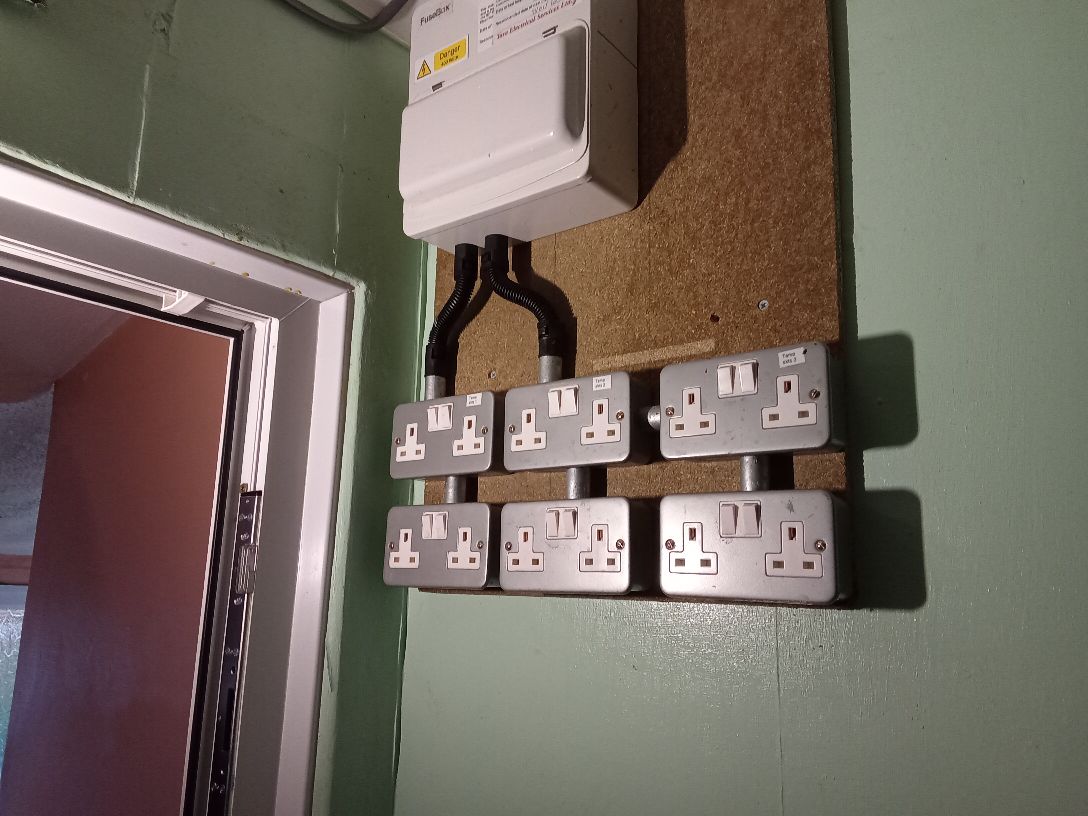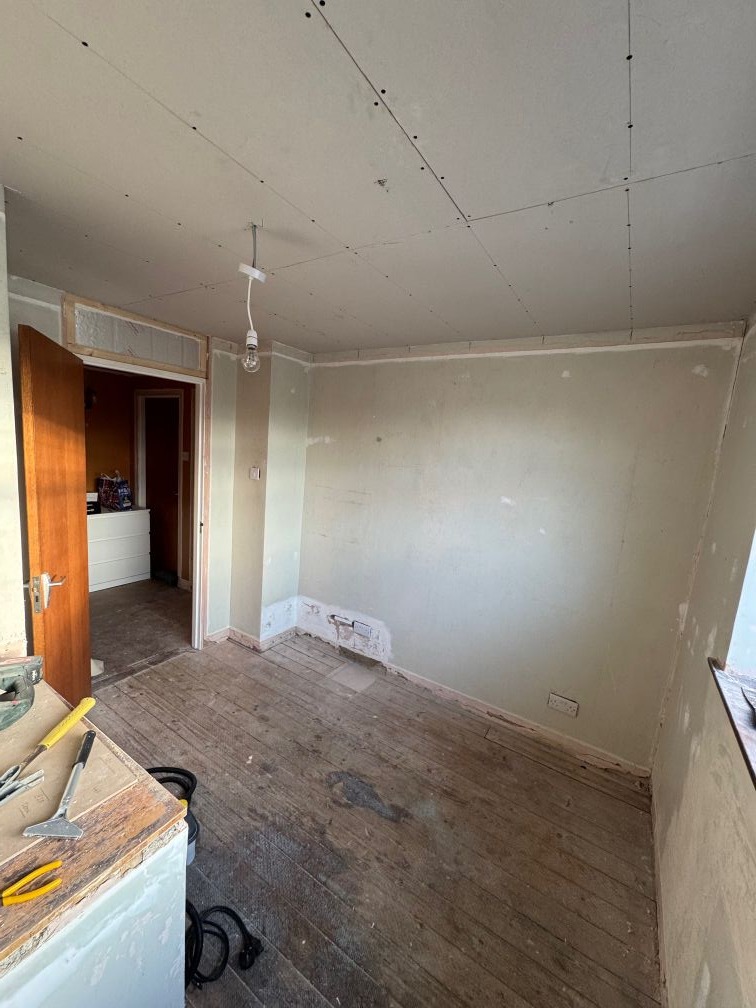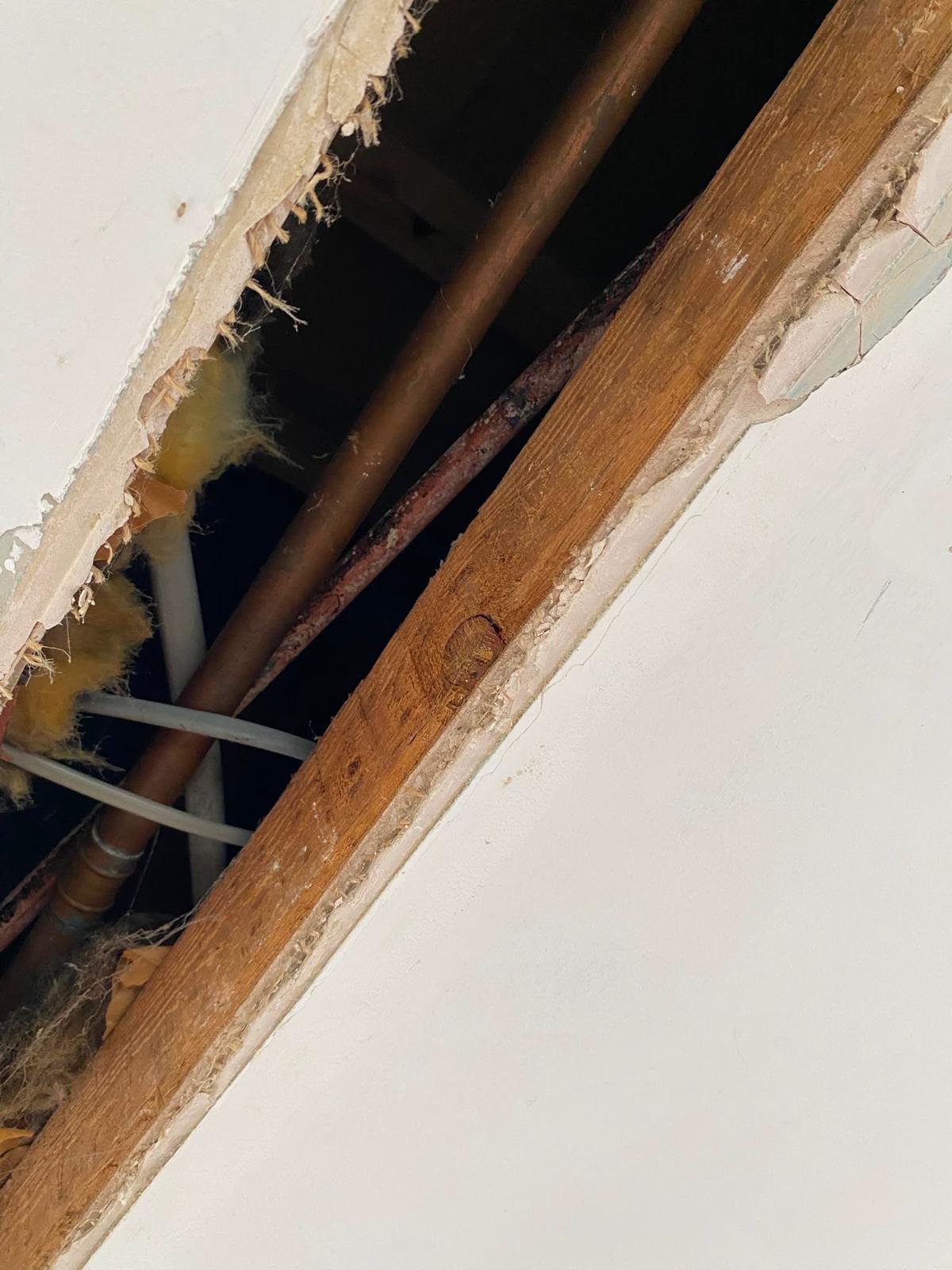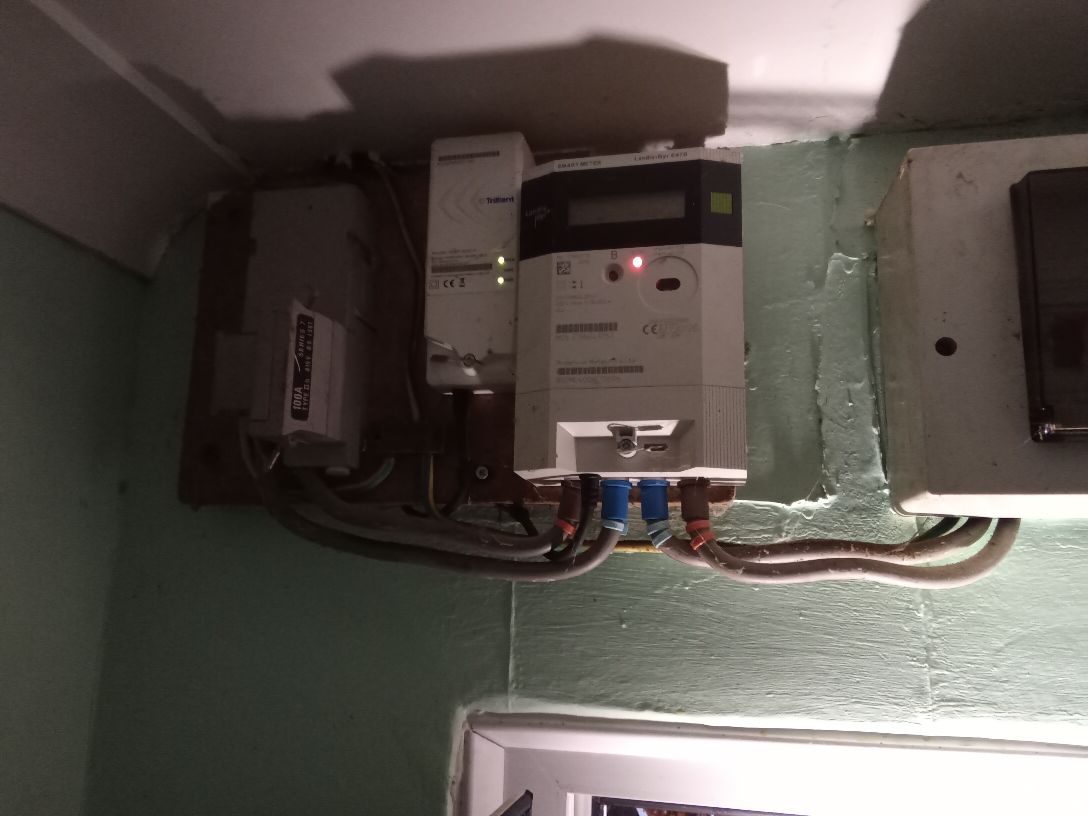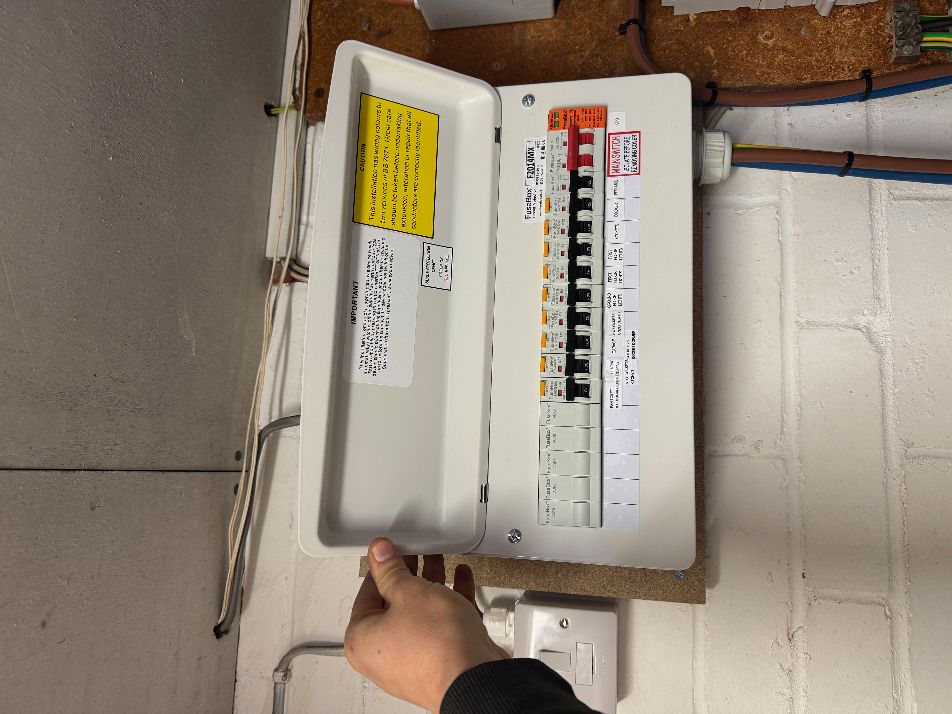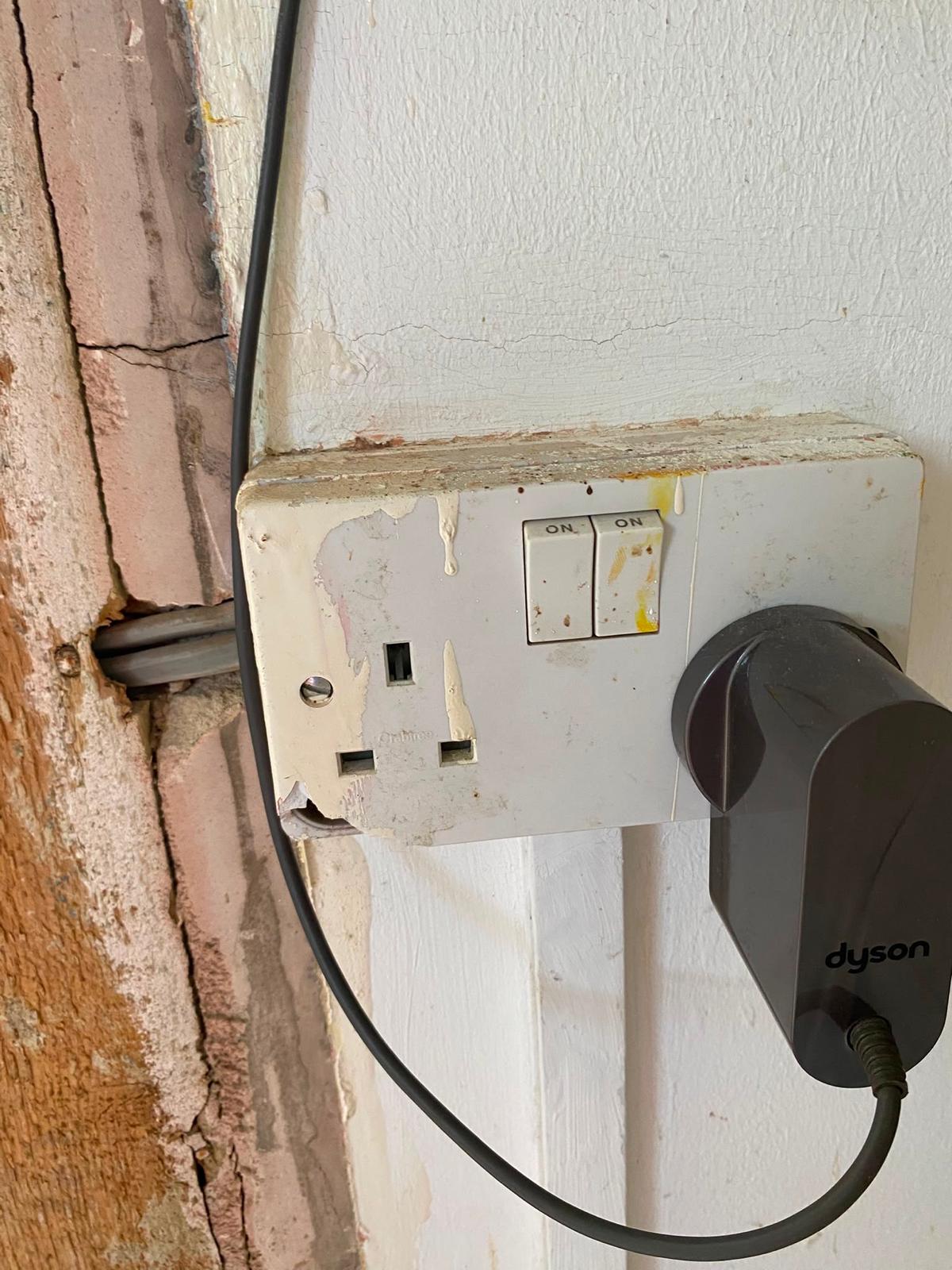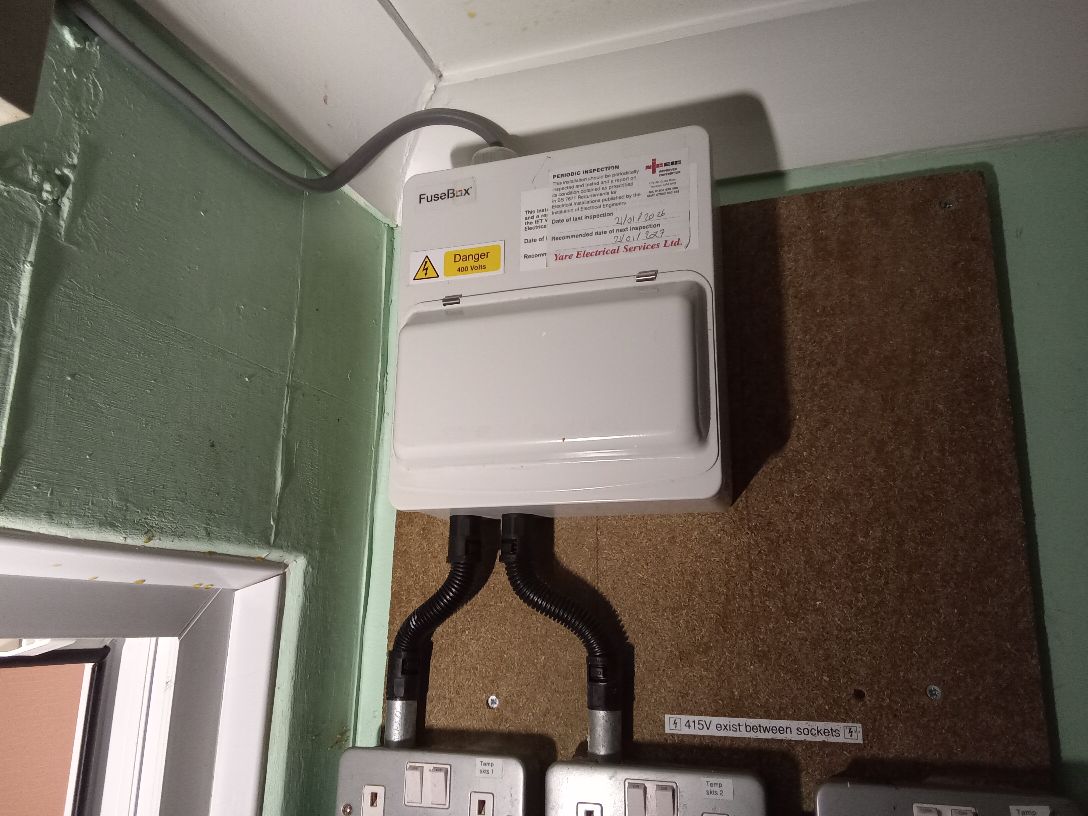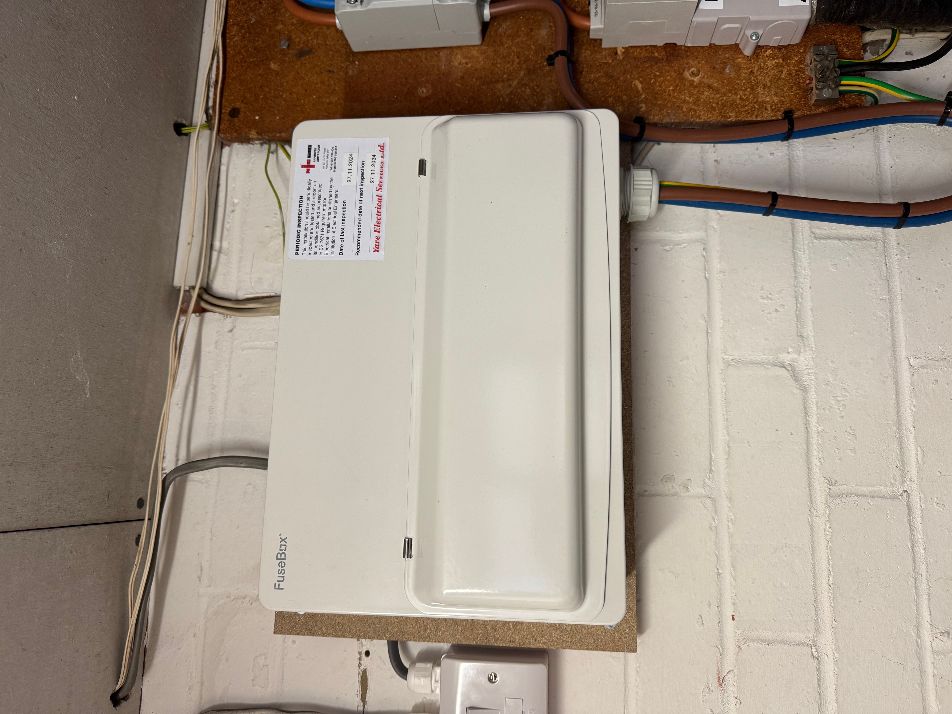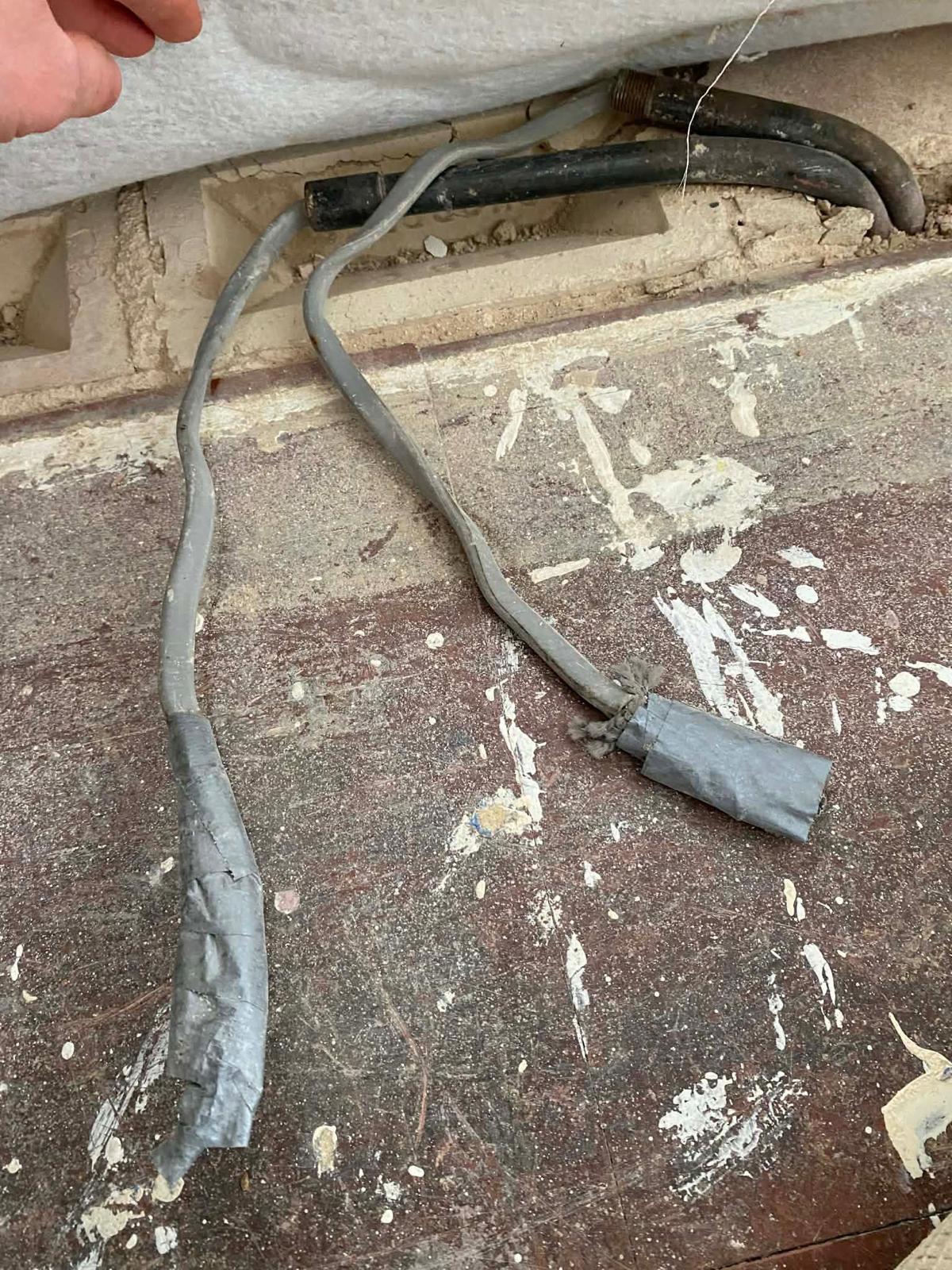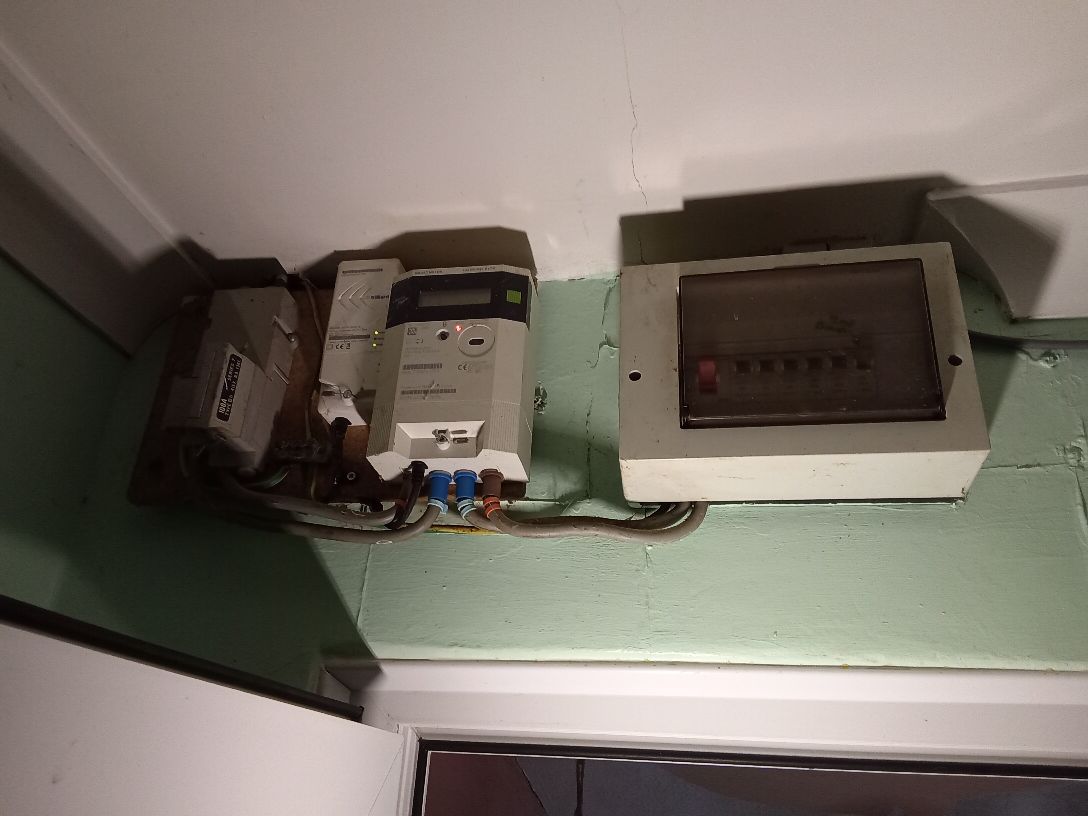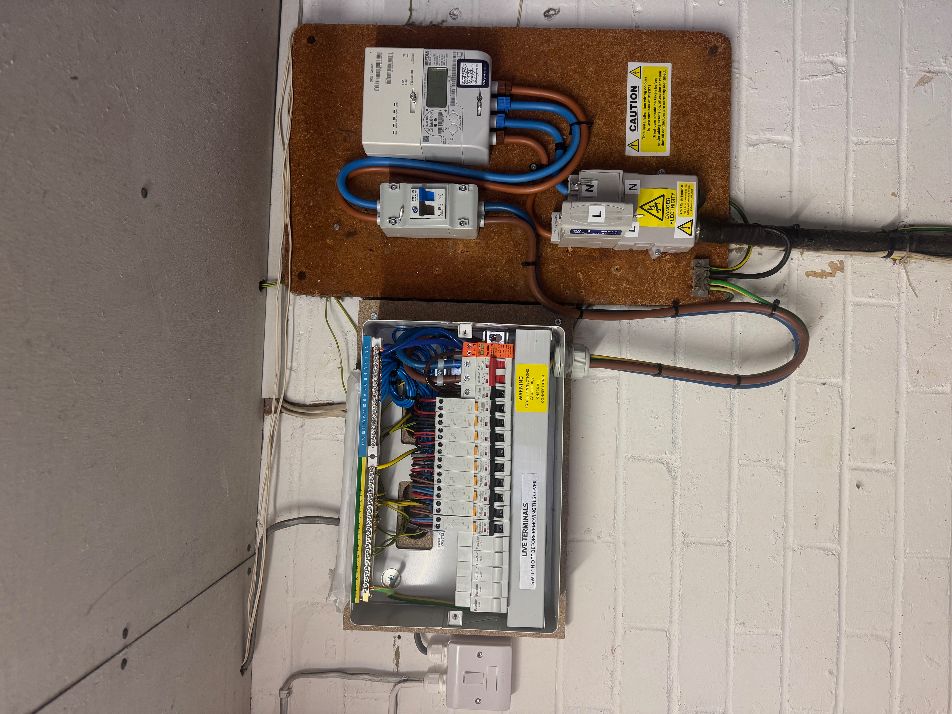
Not every problem needs a full EICR. When a circuit keeps tripping, a light flickers, a socket runs warm or an addition needs verifying, we test the specific circuit, find the actual cause and tell you plainly what it will take to put right. Fault finding is where experience shows — an intermittent fault can be chased for hours or found in twenty minutes. Need the whole installation assessed instead? That’s our dedicated EICR service.
When you need testing rather than a full EICR
An EICR assesses the whole installation and produces a coded report on all of it — the right thing when you are letting a property, buying one, or have no idea what condition the wiring is in. Plenty of problems don't need that. A circuit that keeps tripping, a light that flickers, a socket that runs warm, an extension that somebody else wired and nobody ever certified: those are single questions, and they deserve a single answer rather than a forty-page report. That is what this service is for.
Fault finding: what it actually involves
Finding an electrical fault is a process of elimination, and doing it properly means testing rather than guessing. We isolate the circuit, split it at the accessible points, and work through insulation resistance, continuity, polarity and RCD operation until the fault is cornered. Intermittent faults are the difficult ones — a nail through a cable that only shorts when the floor flexes, moisture in an outside joint that only tracks after rain, a neutral shared between two circuits that only trips when both are loaded. Experience is what separates twenty minutes from half a day here, and it is the reason we would rather send someone who has met the fault before.
The tests we run, and what they tell us
Insulation resistance shows whether the cable's insulation has broken down anywhere — the single most common cause of a circuit that trips for no obvious reason. Continuity confirms the earth path is intact end to end, which is the thing that keeps you alive if a fault ever does develop. Polarity catches live and neutral crossed at an accessory, which is far more common in DIY work than anyone would like. RCD testing proves the device actually disconnects inside the time it is supposed to, rather than merely clicking when you press the button. You get the readings and a plain-English explanation of what they mean.
Verifying work that was never certified
Buying a house with an extension, a garden office or a converted garage that has no paperwork behind it is extremely common. We can test and inspect that addition on its own, confirm whether it is safe and compliant, and issue the appropriate certificate — or tell you exactly what needs correcting first. It is a far smaller job than rewiring on suspicion, and it turns an unknown into a documented known.
What you get, and what happens next
You get the cause, the readings that prove it, and a fixed price to put it right — with no obligation to have us do the work. If the fault turns out to be the tip of something larger, we will say so, and we will recommend a full EICR rather than patching one circuit and leaving you with five more waiting. All remedial work is tested and certified on completion, and where it is notifiable under Part P we handle the Building Regulations side for you.