Cut your energy bills and shrink your carbon footprint with a professionally installed solar PV system. We design and fit roof-mounted solar panels with optional battery storage — neat, safe and fully certified electrical work from NICEIC-approved electricians.
Solar payback: what you actually need to know
A typical 4kW domestic system is 10–12 panels. With UK daylight that generates roughly 3,500–4,500 kWh a year depending on your roof angle and any shading — a meaningful share of a normal household's electricity, produced for nothing once the system is in. Payback usually lands somewhere inside the first decade at current electricity prices, and the panels are built for a 25–30 year life, so the bulk of that lifespan is generation you have already paid for. We model your own roof and your own usage before quoting, rather than quoting off a national average.
Does your roof suit solar?
South-facing roofs (ideally 30–40° pitch) are ideal, but east or west-facing works fine — it just generates less. North-facing roofs produce only 50–60% of optimum and usually aren't worth it. Shading from trees, chimneys or neighbouring buildings cuts generation significantly — we assess your roof with satellite imagery and a site visit to give you a realistic figure, not optimistic averages. A roof replacement due within 5 years? Better to do that first, since removing and reinstalling panels is expensive.
System breakdown and what goes where
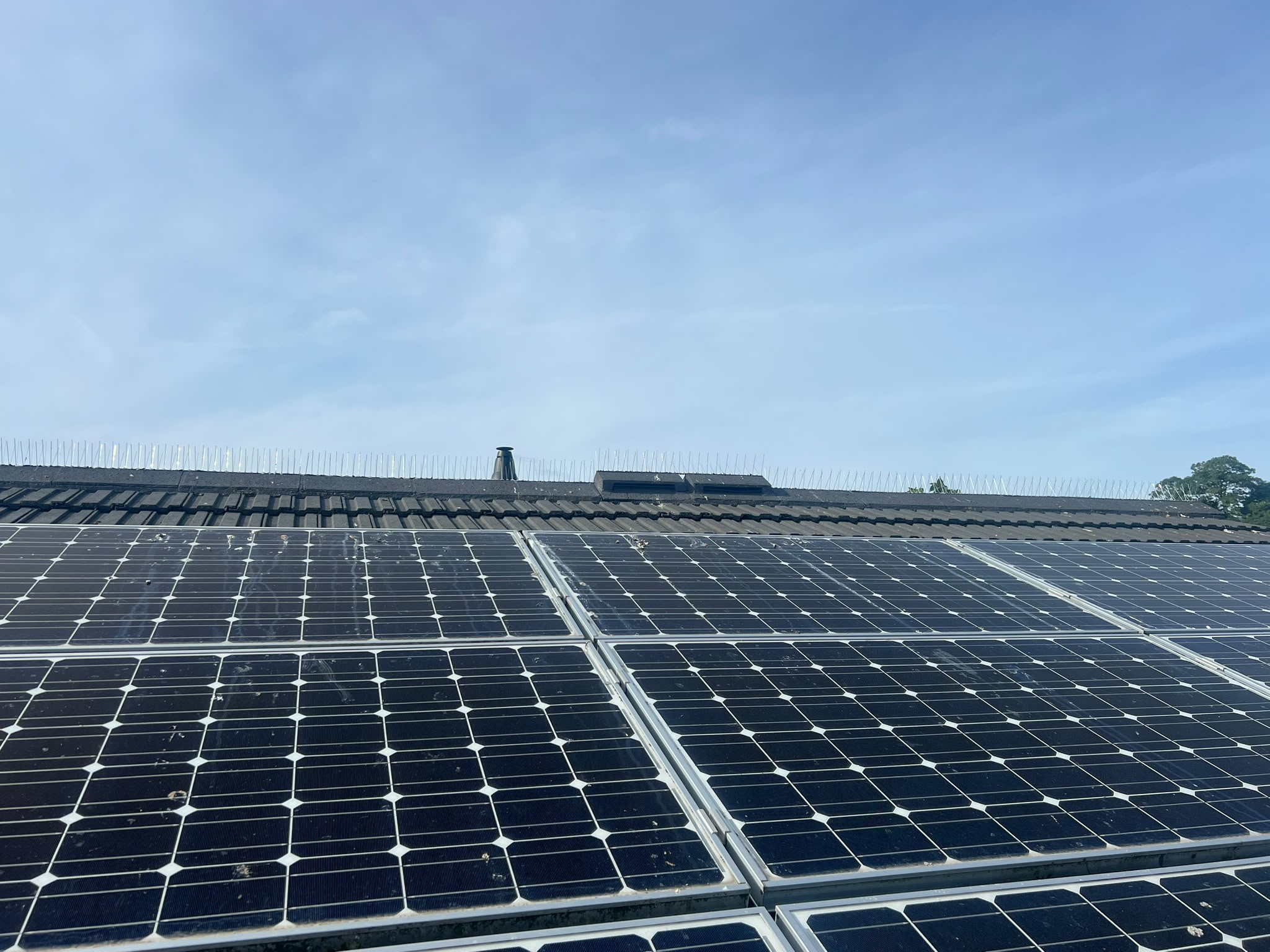
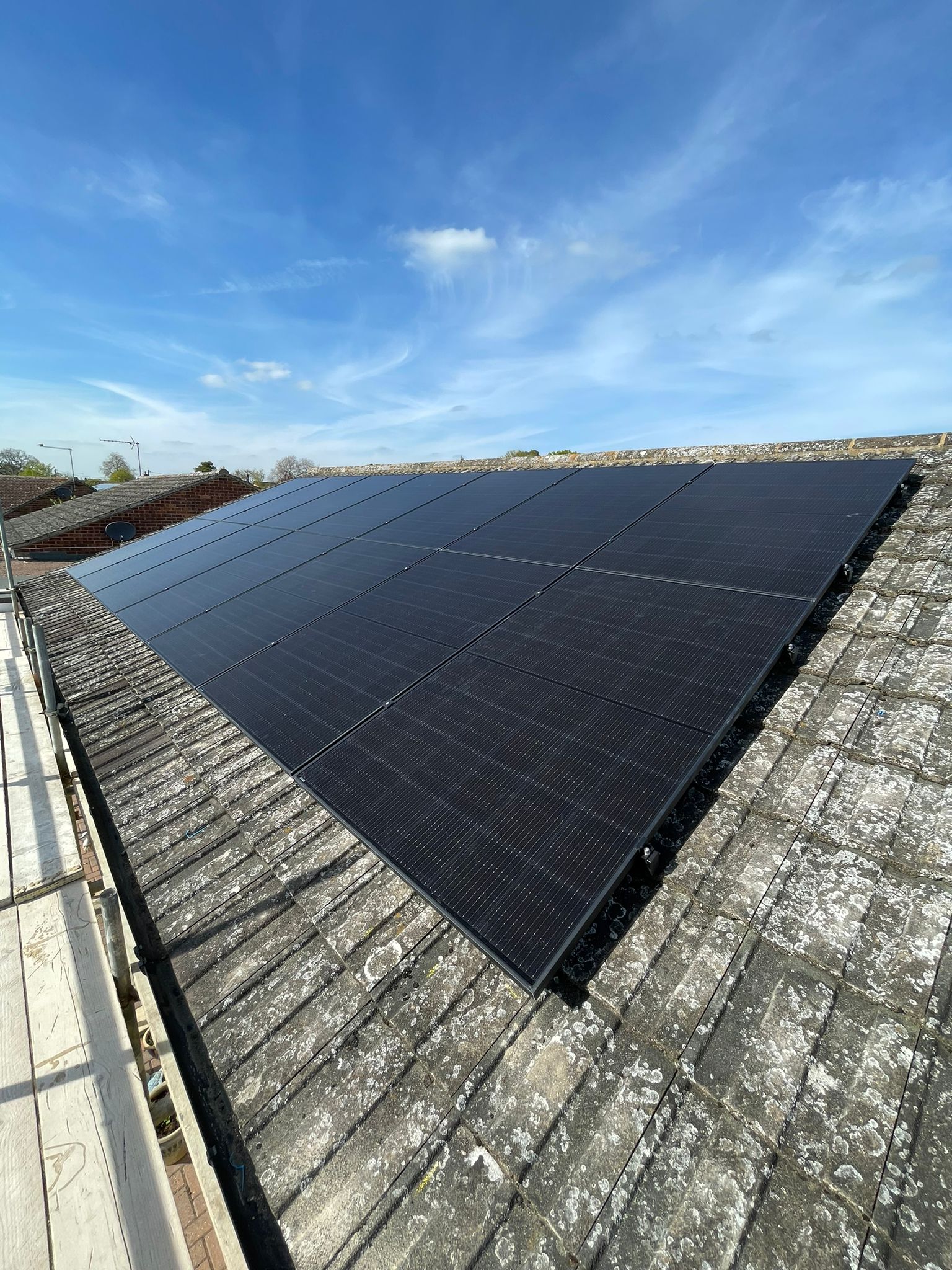
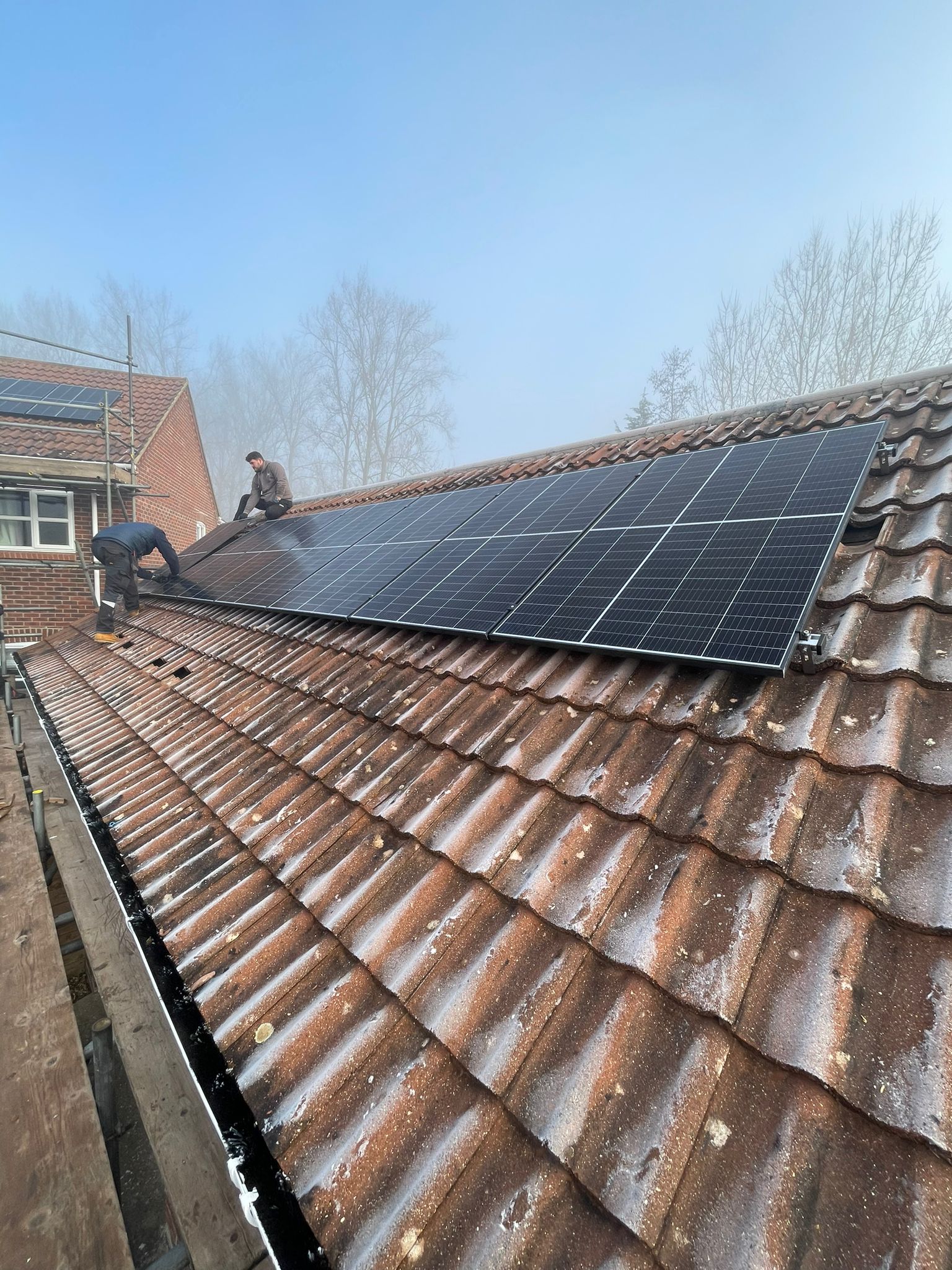
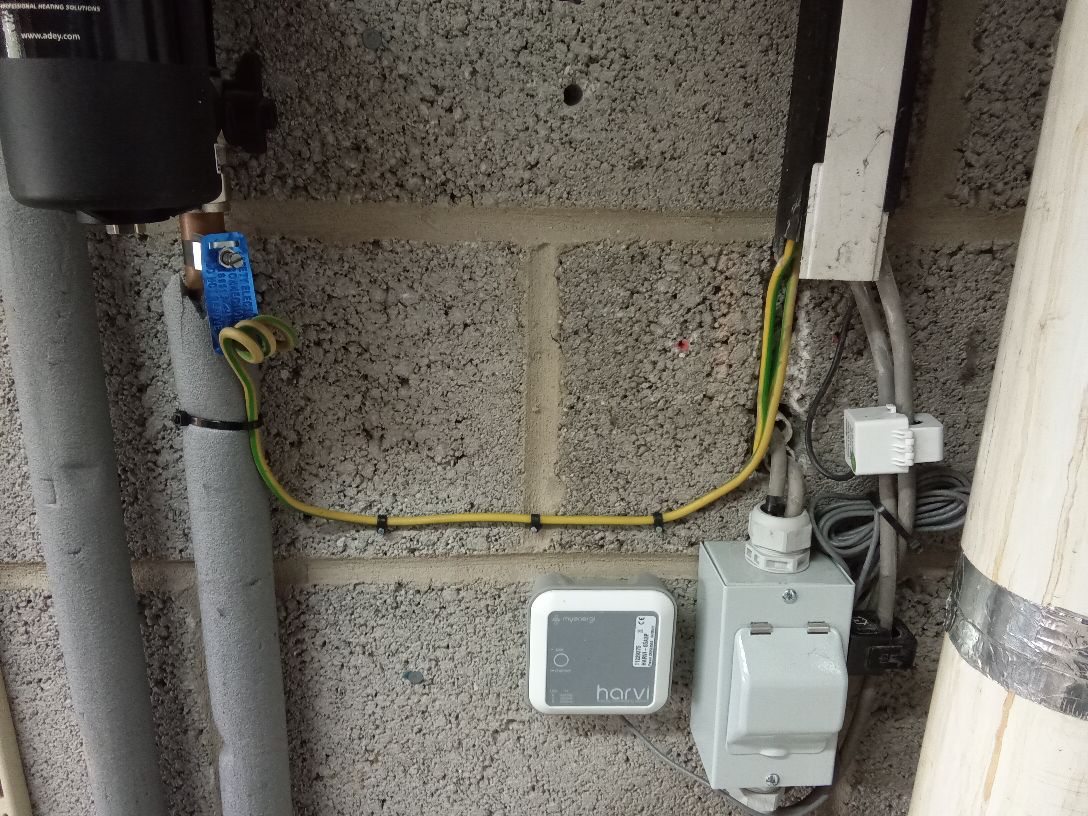
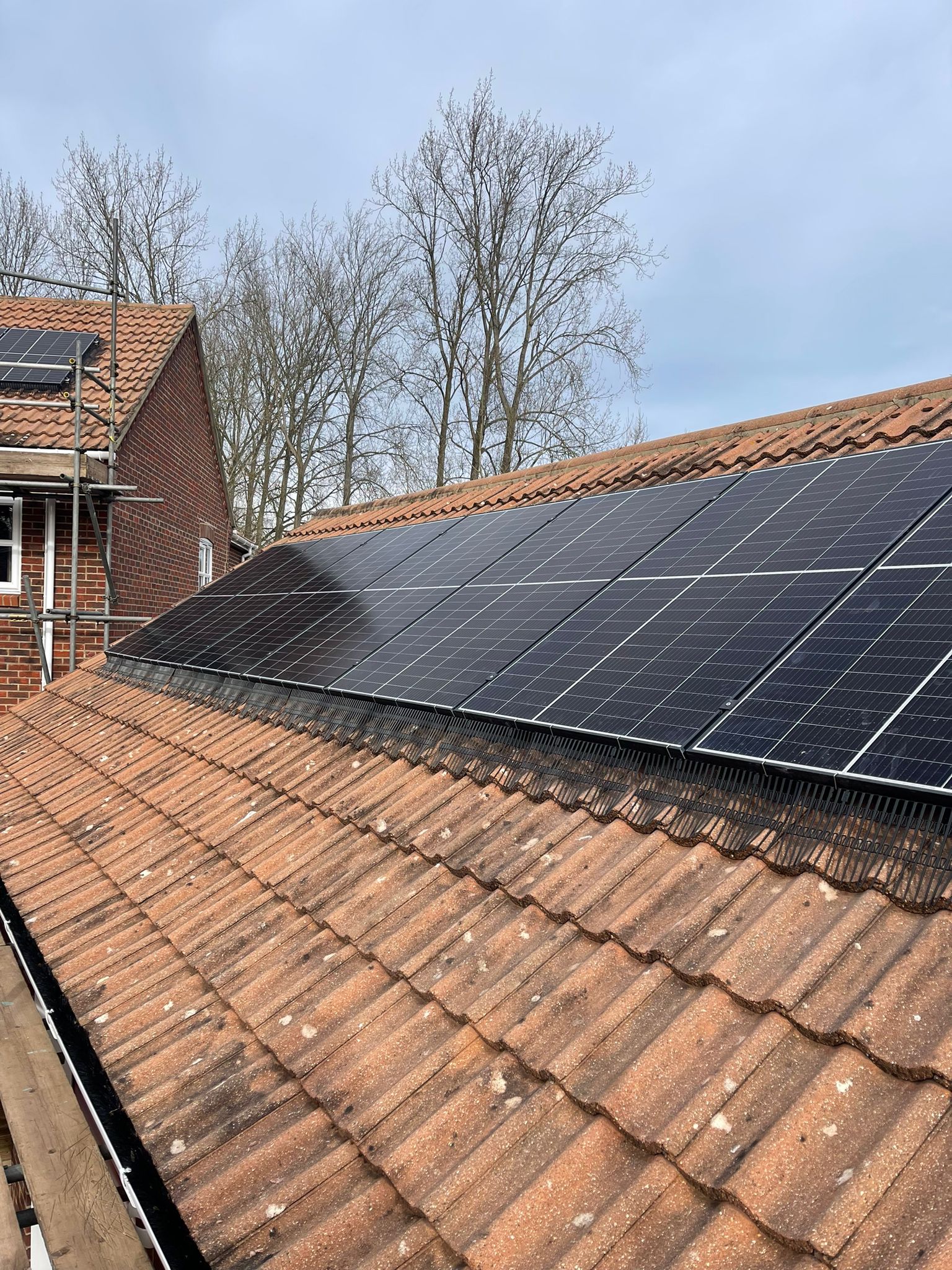
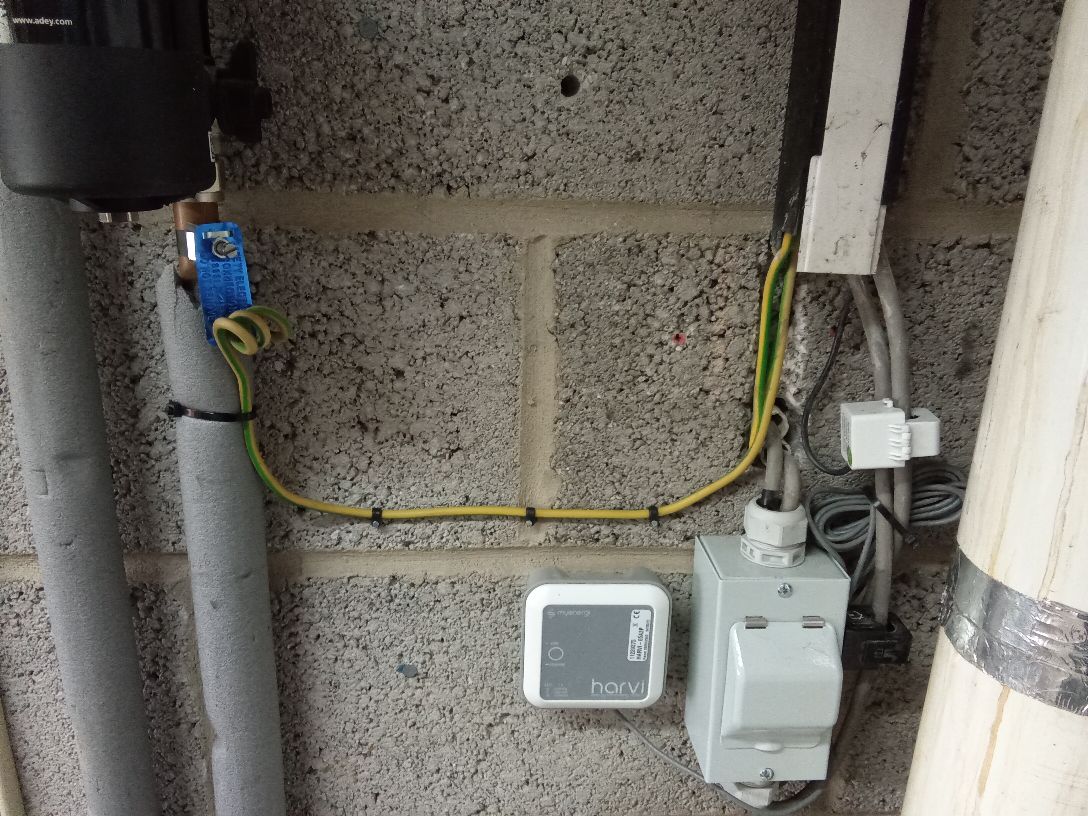
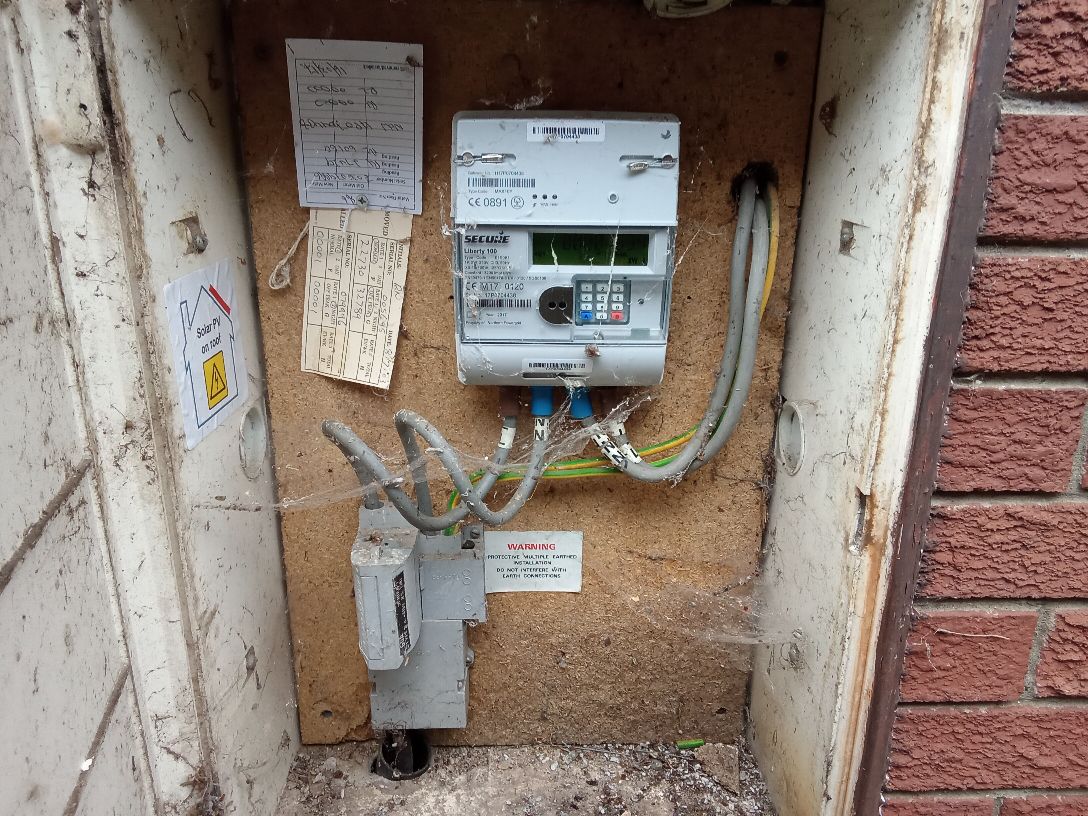
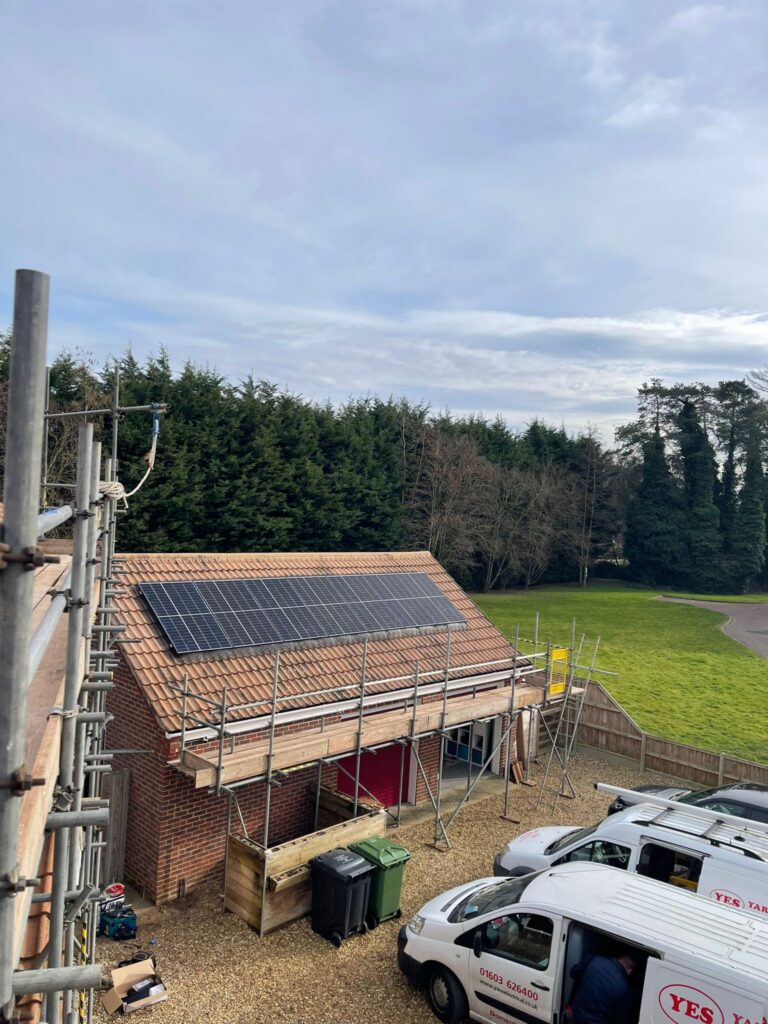
Panels: Mounted on the roof, facing south. Modern panels are sleek and thin (not the bulky things from 15 years ago); aesthetically they look fine on most homes. Inverter: Converts DC power from panels to AC for your house. Usually wall-mounted in a garage or loft, whisper-quiet. Metering: Records what you generate and use so you (and we) can see the real numbers. Battery (optional): Stores daytime surplus for evening use — very worthwhile if you're home during the day and use power in the evening. Adding a battery is a further investment, but it can lift the share of your own generation you actually use from around 30% to 70% or more.
Export revenue: the Smart Export Guarantee
Any solar you don't use yourself can be exported to the grid, and under the Smart Export Guarantee your supplier pays you for it. Export rates are generally lower than what you pay to buy electricity back, so the economics always favour using your own generation rather than selling it — but export still adds a useful second stream on top of what you save. SEG rates vary a good deal between suppliers, so it is worth checking yours before you commit.
Grant funding and Government support
The Energy Bill Relief Scheme ended in 2023, but various grants still exist depending on your circumstances — low income, new builds and similar. Where one applies it can materially improve payback, so it is always worth asking. We'll point you at the current schemes rather than guessing at them.
Installation and your home
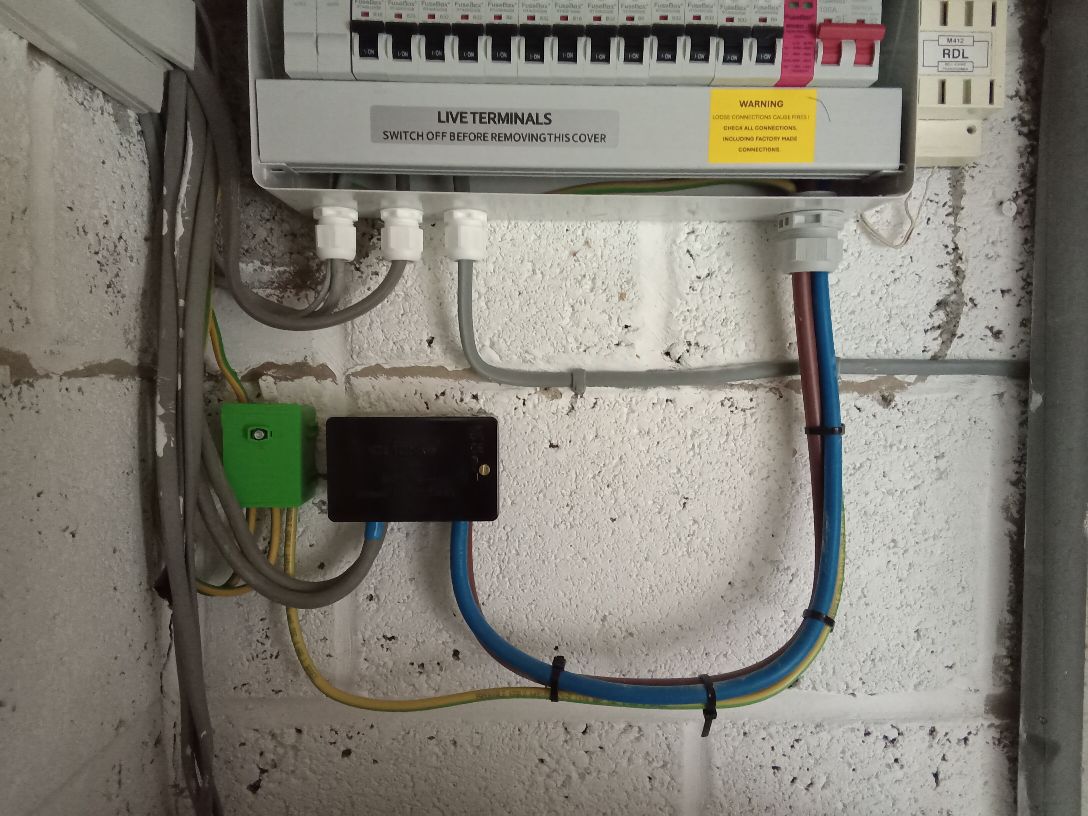
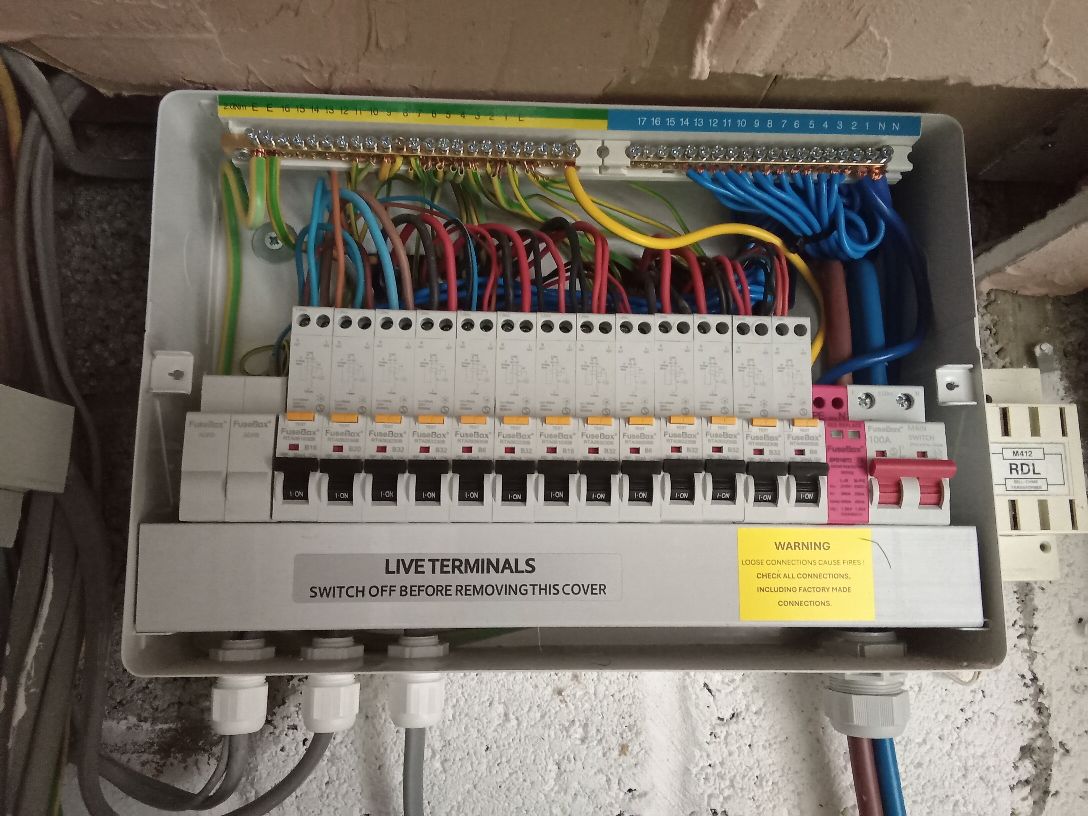
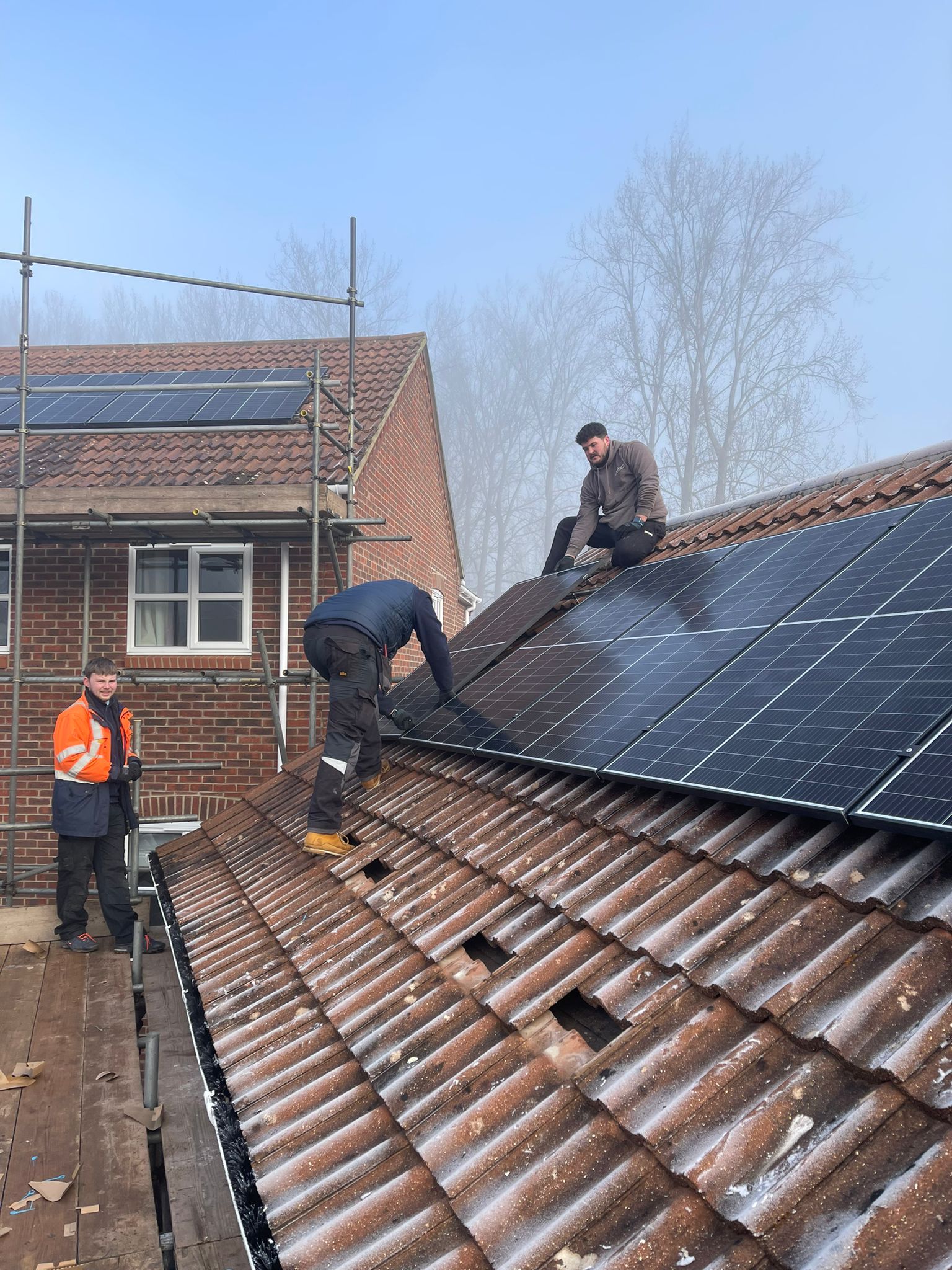
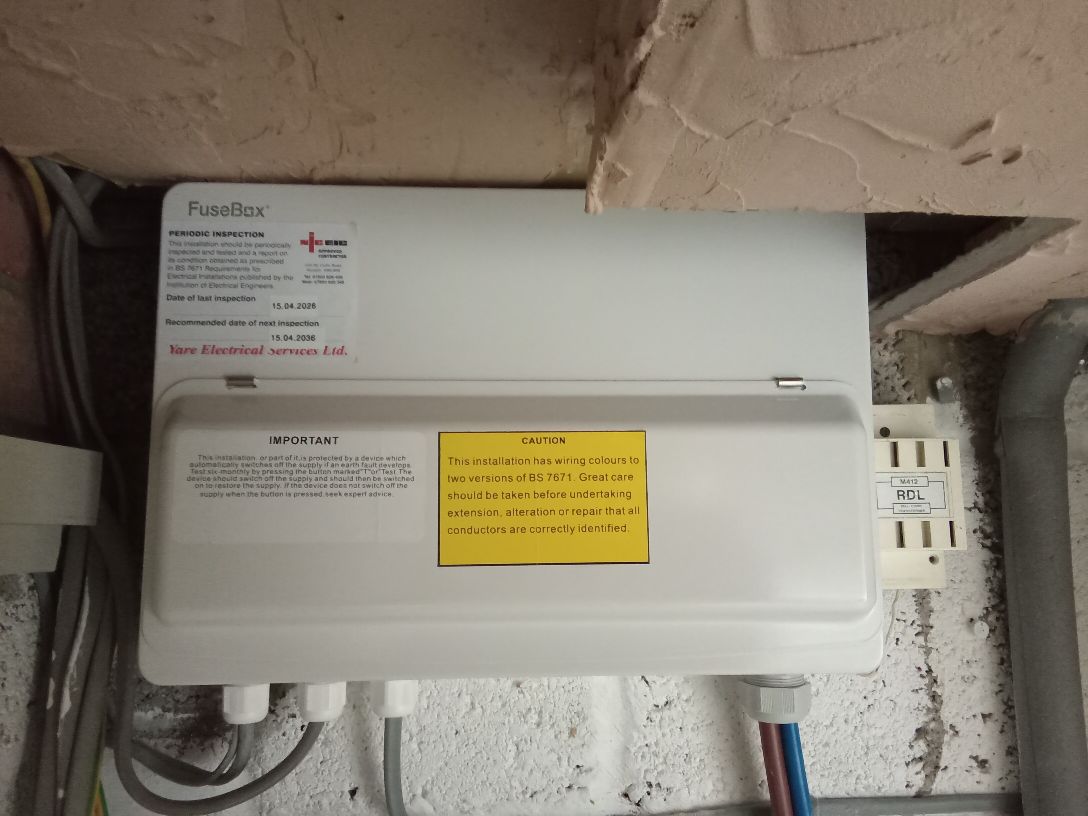
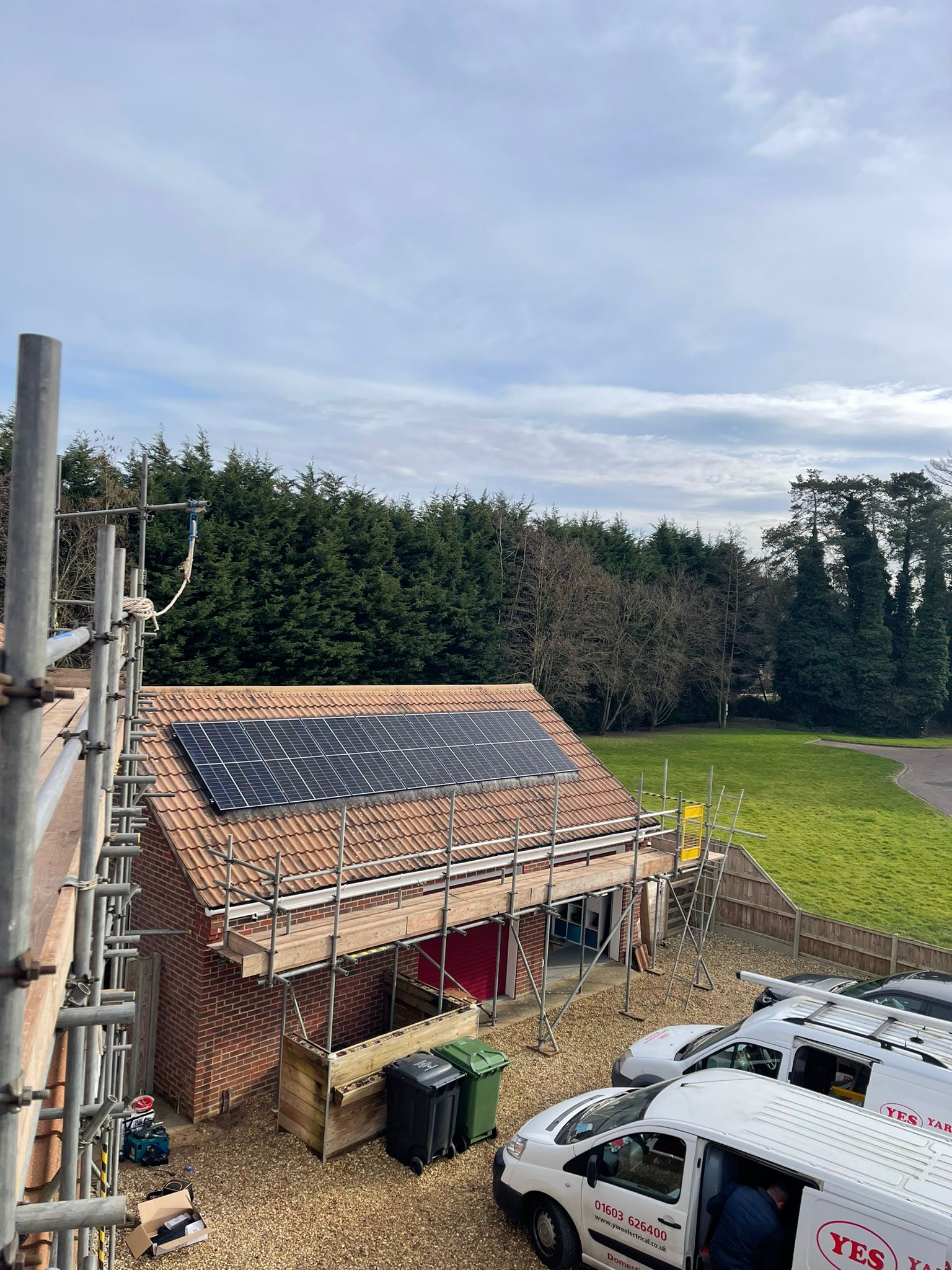
A typical installation takes 2–3 days: roof work (morning 1), electrical (days 1–2), testing and commissioning (morning 3). You'll be without power for a couple of hours. We handle scaffolding (if needed), connection to DNO (the grid operator), Building Regulations notification, and full certification. You get a monitoring app showing live generation, storage and savings — it's oddly addictive watching the numbers tick up on a sunny day.
The long view
Solar is a 25–30 year investment. Payback typically falls inside the first decade, and everything after that is generation you already own. Panels degrade slowly — about 0.5% a year, so a panel at year 25 still produces roughly 88% of its new output. Inverters last 15–20 years, so you may replace one in that time, and batteries last 10–15 years depending on how hard they are cycled. Even allowing for a mid-life battery replacement, the arithmetic over 25 years is strongly in favour of generating your own — and you will have taken roughly a hundred tonnes off your carbon footprint along the way.
Next steps
We offer a free site assessment: we check your roof, run satellite imaging to confirm generation potential, and give you a fixed quote. There's no obligation — you'll get realistic numbers so you can decide whether solar makes sense for your home. Most people are surprised how quickly it pays for itself.