As a landlord, you’re legally required to ensure rental properties are electrically safe. That means an EICR (Electrical Installation Condition Report) every 5 years, remedial work on any faults, and proof to your tenants. Ignore it and you face six-figure fines and imprisonment.
What’s an EICR?
An EICR is a professional safety inspection of the property’s entire electrical system. A qualified electrician tests:
- All circuits and protective devices.
- Earthing and bonding.
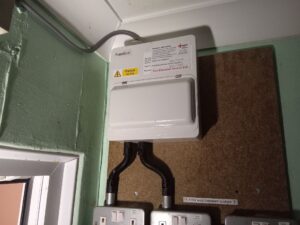
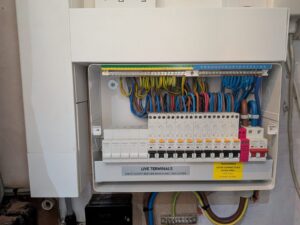
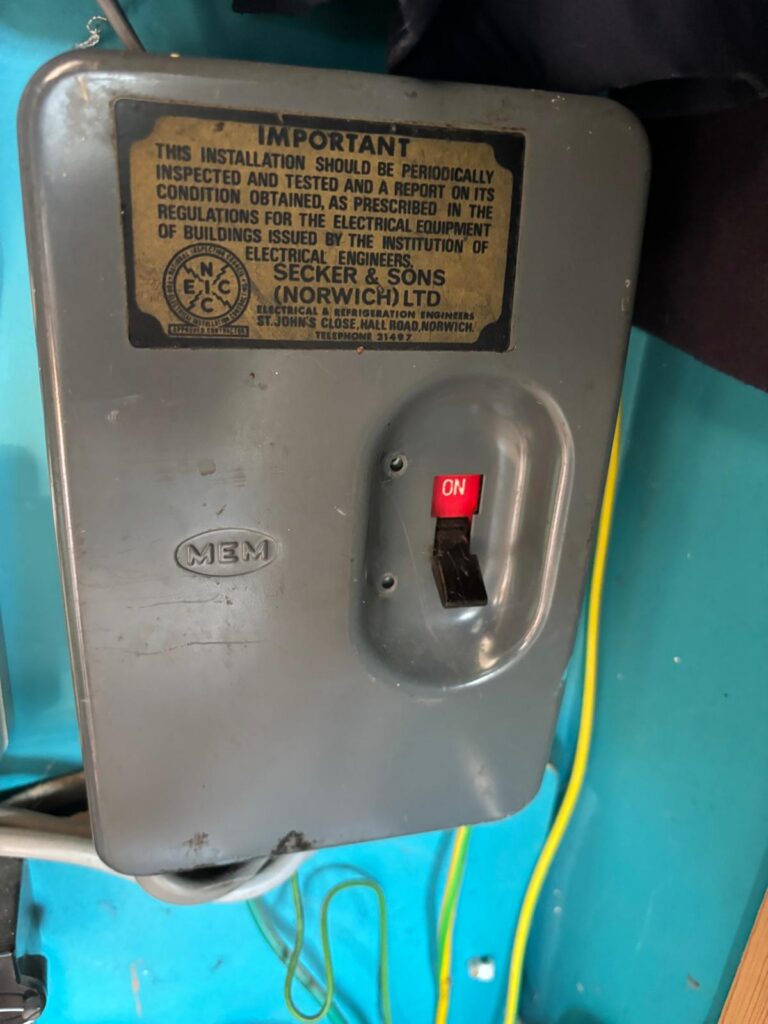
- Consumer unit (fuse board or breaker panel).
- All sockets, switches, and appliances.
- Grounding on metal baths and radiators.
The report classifies any faults as:
- C1 (dangerous): Immediate risk of death. Must fix before tenants use the property.
- C2 (potentially dangerous): Risk of injury or damage. Must fix within 3 months.
- C3 (minor): Doesn’t meet modern standards. Should fix within a reasonable time.
The legal requirement (2024 update)
As of June 2024, landlords must:
- Get an EICR every 5 years (or when a new tenant moves in, if sooner).
- Provide a copy to your tenant within 30 days of the inspection.
- Provide a copy to local authorities if requested.
- Fix any C1 faults before the property is rented.
- Fix C2 faults within 3 months and tell the tenant they’ve been fixed.
- Keep records for at least 7 years.
Penalties for non-compliance
- No EICR: a substantial civil penalty, per property.
- Dangerous fault not fixed: Up to 6 months in prison + unlimited fine.
- Renting an unsafe property: a further penalty on top, scaled to the breach.
- Not providing tenants with the EICR: a separate penalty again.
What it involves
An EICR on a 2–3 bedroom house is a fixed-price job, quoted on the size of the property and the number of circuits and boards. Any remedial work that the inspection turns up is quoted separately, so you can see exactly what is compliance and what is repair before you commit to either.
How often?
Every 5 years is the legal requirement. However, if the property is in poor condition, faults are found and fixed, or you’re managing multiple properties, you might want annual checks to stay ahead.
Can I check it myself?
No. Only a qualified electrician (NICEIC Approved Contractor or equivalent) can certify an EICR. DIY checks don’t meet legal standards.
What to do if faults are found
If the report shows C1 faults (dangerous), you must fix them before anyone else moves in. For C2 faults, you have 3 months. Document the work:
- Keep receipts for all repairs.
- Get a new EICR after major work.
- Tell your tenant what was fixed and when.
- Keep records for 7 years in case of disputes.
Tenant communication
When you provide the EICR, include a letter explaining:
- What was inspected.
- Any faults found and what you’re doing about them.
- How to report electrical problems (give them your contact number).
Bottom line: get an EICR every five years. It takes 2–3 hours and it is the document that protects you legally. Without it you are exposed to penalties and to properties you cannot legally let — not a risk worth carrying.